

Hot girl walks, iced matcha in hand, quality nutrition, and SPF on. This version of “Hot Girl Summer” is less about overhauls and more about simple habits that stack: moving your body daily, eating clean (but realistically), getting sunlight, and protecting your peace. But here’s the upgrade: what if those same habits weren’t just part of your routine, but instead, actively supporting your body at a cellular level? The way you show up for your wellness now through your skin, energy, and metabolism is the same foundation that shapes how you age later. This is your feel-good summer, but with benefits that last.
Wellness expert Robin Barrie Kaiden, RD, MS, CDN, CSSD, explains that feeling good at a “cellular level” means “supporting the tiny building blocks (cells!) that make up every part of your body; your skin, brain, gut, hormones, muscles, and immune system. Your cells need the right raw materials to function optimally: protein, healthy fats, vitamins, minerals, antioxidants, sleep, movement, hydration, and blood sugar stability. When those foundations are in place, people often notice more stable energy, better mood, clearer skin, improved digestion, better recovery, and less inflammation overall. “
Skin Health = Your External Barometer
Your skin is often the first place your internal health shows up. Breakouts, dullness, or dryness can reflect everything from stress to hydration to nutrient intake. When your routine is aligned (think balanced meals, enough water, and daily movement), your skin tends to reflect that.
Dermatologist Amy Lewis, MD, says that “A new term, ‘inflamm-aging,’ is taking hold as we realize that chronic low-grade inflammation can arise from stress, lack of sleep, smoking, alcohol, or poor eating habits. This causes elevated cortisol levels and other inflammatory mediators, which accelerate collagen breakdown.”
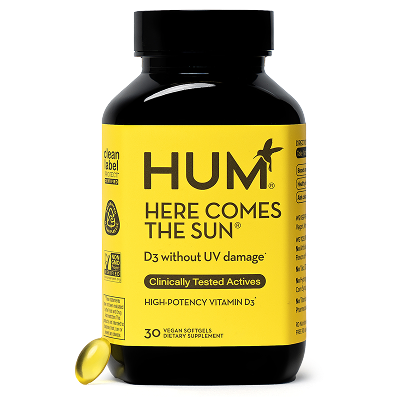

A major factor in our health is oxidative stress: daily exposure to UV rays, pollution, and even lifestyle stressors can accelerate visible aging. According to Lewis, here are a few ways that we are damaging our skin (and maybe not even realizing it):
- Visible light and heat exposure from prolonged screen time, exposure through windows, and infrared heat can worsen pigmentation, along with producing more oxidative stress and the dreaded inflammatory cascade.
- Air, pollution, smoke, and environmental toxins generate free radicals that damage collagen, elastin, and the skin barrier.
- Over-aggressive skincare routines with excessive exfoliation can disrupt the microbiome, leaving a weakened skin barrier.
- Experiencing glycation, a process by which excess sugar intake stiffens collagen and elastin fibers, contributing to sagging and dullness directly in the face (This is why avoiding over-processed and sugary foods is recommended).
This is where all of our “healthy girl” habits come in. Eating colorful, antioxidant-rich foods (berries, greens, really anything vibrant on your plate), using sunscreen, and minimizing UV exposure can all help defend against that damage and support collagen production.
Social Health = The Underrated Glow Booster
Wellness isn’t just what’s on your plate or in your workout routine. It’s also who you surround yourself with. Social health plays a direct role in how you feel, influencing stress, mood, and even long-term well-being.
This looks like your group walks, workout classes with friends, or low-key dinners with loved ones that leave you feeling better than when you arrived. These moments aren’t just fun; they also help regulate stress and support your overall balance.
At the same time, part of protecting your energy is being selective. Not every plan aligns with how you want to feel. Choosing connections that feel easy, supportive, and uplifting is part of the routine, too.
Energy = Your Summer Currency

The ultimate goal of sleep? Waking up feeling good—and staying that way throughout the day. Real energy isn’t about relying on caffeine; it’s about creating stability in your routine.
Kaiden says, “The biggest drivers of energy crashes I see are blood sugar instability, under-eating protein, overall under-fueling, skipping breakfast, chronic stress, poor sleep, dehydration, and relying too heavily on caffeine and quick-fix convenience foods. Many women especially are unintentionally (or sometimes on purpose) under-fueling during the day, then running on cortisol and coffee. I also commonly see low iron, low ferritin, low vitamin D, gut imbalances, and hormonal shifts contributing to fatigue. Energy is rarely about one thing – it’s usually a combination of nutrition, lifestyle, stress, and recovery patterns adding up together and/or over time.”
Simple habits go a long way in maximizing energy potential: getting morning sunlight during your walk, building a consistent sleep schedule, and starting your day with something nourishing (like protein and fiber) instead of skipping meals. When your energy is steady, everything else, like our mood, workouts, and overall focus, feels easier.
Metabolism = More Than Burning Calories
Metabolism isn’t just about how much you burn but how well your body uses energy. And your daily habits play a big role in keeping that system running efficiently.
Strength training, even a few times a week, supports muscle mass, which is the key to metabolic health. Pair that with adequate protein and balanced meals, and you’re giving your body what it needs to function smoothly.
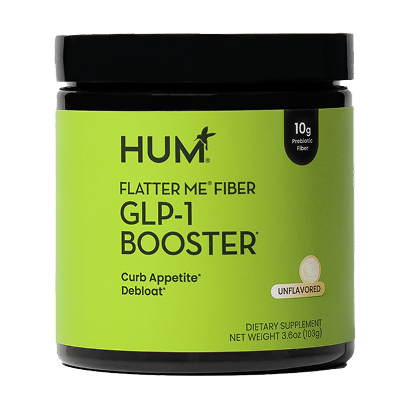
One of the biggest mindset shifts is not under-eating. Fueling your body properly supports better energy, better workouts, and better long-term health. The goal isn’t to restrict so you can squeeze into that swimsuit this summer, but rather to be supportive.
Longevity = The Real Glow-Up
All of your habits, including walks, meals, and workouts, add up to how you age.
When you support your body consistently, you’re also supporting your cells. That means helping manage inflammation, supporting energy production, and building a foundation for long-term health.
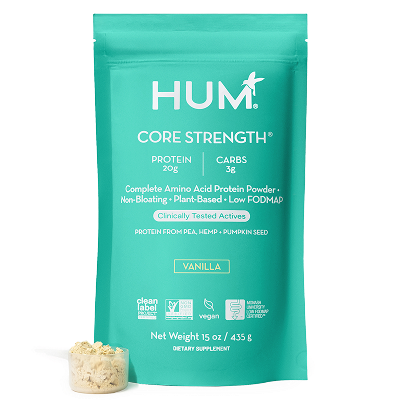
Kaiden recommends dropping the “detox” mantra and following what really works. One hype she is getting behind is prioritizing protein (especially for women). “Adequate protein supports blood sugar balance, muscle health, metabolism, hormone production, satiety, skin structure, and healthy aging”, she says. “Most people simply are not getting enough consistently throughout the day.”
The Takeaway on How to Improve Your Cellular Health
The healthy-girl version of “Hot Girl Summer” shouldn’t be complicated, but rather consistent. Small choices like adding in morning walks, eating nourishing meals, and doing strength-based workouts will make you feel strong while supporting your energy and mood every day. All together, those habits aren’t just helping you feel good now, but shaping how your body functions long-term. So instead of chasing extremes, stick with what feels sustainable. It’s the small things repeated daily that make the difference for years to come.


Collagen in the Summer: Does It Help with Sun Exposure?
Debloats. Cravings Crushed. Natural Energy. One Drink: Say Hello to Our Newest Flavor — Peach Iced Tea!

Clean Energy Is the New Iced Coffee: Here’s What to Sip for a Jitter-Free Summer
