You know that glazed, glowy, “I just got back from vacation” skin? That’s the ultimate summer vibe. True healthy-skin-girl energy isn’t about chasing a tan, though. It’s about protecting your glow while supporting your skin barrier every step of the way.
As more of us are leaning into beauty-from-within rituals, collagen has also entered the chat as a daily non-negotiable. It’s in our morning matcha, post-workout smoothies, and supplement stacks that are designed for that effortless, radiant look. But when the skin is up against long beach days, UV exposure, and heat, it raises a bigger question: can collagen actually help your skin handle the sun better, or is it just part of the aesthetic?
Here’s the truth: collagen isn’t your SPF. But it does play a role in how the skin stays hydrated, resilient, and supported through all that summer exposure. Think of it as your behind-the-scenes glow support that works on your skin at a deeper level while you handle the surface.
What Happens to Your Skin in the Sun

Spending time in the sun feels good, but beneath the surface, your skin is telling a more complex story. While UVB rays are primarily responsible for sunburn, UVA rays penetrate deeper into the skin. and together, contribute to both immediate and long-term skin damage.
Board-Certified Dermatologist & Cosmetic Surgeon, Dr. Kim Nichols, explains that when skin is exposed to UV rays, it “accelerates collagen breakdown by triggering oxidative stress within the skin. It also activates enzymes that degrade collagen and elastin over time, contributing to fine lines, laxity, uneven tone, and other visible signs of premature aging.”
Over time, this breakdown of collagen (the structural protein that keeps skin firm and smooth) impacts skin’s overall strength and elasticity.
Collagen 101: Why It Matters for Summer Skin
Collagen is the most abundant protein in your body and a major building block of your skin. This is what gives skin its firmness, bounce, and smooth texture. But here’s the catch: your natural collagen production starts to decline in your mid-20s, and factors like sun exposure can speed that process up.
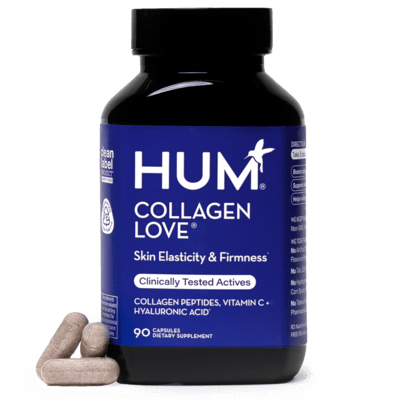
That’s where collagen supplements come in. Most are made with hydrolyzed collagen peptides, which are broken down into smaller amino acids that your body can more easily absorb and use. Instead of directly “replacing” lost collagen, these peptides act as building blocks, signaling the body to support its own collagen production.
Can Collagen Actually Help with Sun Exposure?
It’s important to understand that collagen won’t protect your skin from UV rays the way SPF does. It’s not a shield, but it can support your skin in other important ways.
Recent studies suggest that collagen supplementation may help support skin hydration, elasticity, and overall texture. Some studies also show that consistent collagen intake may help reduce the visible effects of UV-induced skin aging over time.
In other words, collagen works more like a recovery and resilience tool. It helps your skin stay stronger from within, which may make it better equipped to handle environmental stress—including sun exposure. Dr. Kim Nichols notes, “While they won’t reverse sun damage overnight, supporting collagen production is an important part of maintaining healthier-looking skin long term.”
The Inside-Out Approach to Sun Protection
The most effective summer skincare routine doesn’t rely on just one thing—it layers protection from the outside and the inside.
Topical SPF is a non-negotiable for good skincare basics. But pairing it with internal support can help take your skin health to the next level. Collagen works well alongside nutrients like vitamin C, which plays a key role in collagen synthesis, and antioxidants, helping neutralize free radicals caused by sun exposure.
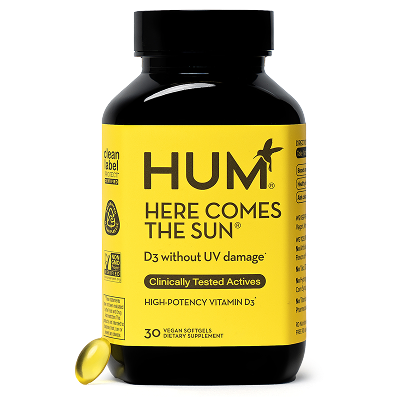

This is where a more intentional supplement routine comes in. Instead of piling on random products, focus on building a stack that supports your skin through hydration, repair, and protection. Still, Nichols emphasizes taking a balanced approach. “Antioxidants and collagen-supportive ingredients can all play a role, but no supplement can outdo excessive UV exposure, so I view them as an addition to strong foundational habits like daily sunscreen, hydration, and topical skincare.”
Summer Skin Habits That Support Your Collagen
If you’re looking to incorporate collagen into your routine, your daily habits should support it rather than cancel it out. Think of this as your “healthy girl summer” routine, elevated.
Nichols encourages daily sunscreen use as the number one priority. “Being more diligent about sunscreen reapplication can make a major difference. Many people apply SPF once in the morning and assume they’re covered for the day, but protection naturally wears down with time, sweat, and sun exposure. Reapplying regularly, especially during the summer months, is one of the simplest and most effective ways to help prevent long-term UV damage.”
She also suggests using antioxidant protection, consistent hydration through diet, protective clothing, and avoiding excessive sun exposure during peak UV hours. For antioxidant protection, try eating antioxidant-rich foods like berries, leafy greens, and colorful vegetables to help combat oxidative stress. Other small habits, like wearing sunglasses and staying consistent with your supplements, can make a noticeable difference over time.
Collagen isn’t a replacement for sunscreen, but it is a powerful complement to your summer skincare routine. Supporting your skin’s structure, hydration, and resilience from within can help maintain that healthy glow long after summer fades.
Is Collagen Good for You? The Takeaway
Ultimately, healthy collagen preservation comes down to consistency and prevention. Small daily habits like wearing SPF, staying hydrated, and supporting your skin from the inside out can make the biggest long-term difference in skin quality and aging.
The real secret to great summer skin? It’s not just about looking good now—it’s about protecting your skin for the future, too.