How to Supplement Stack for Energy and Immunity

As seasons change, whether it’s colder weather or even the transition into spring, you may find yourself feeling a little “off”. During this time, energy dips, motivation lags, and suddenly everyone around you seems to be fighting off something. These changes can take a toll on both your immune system and your overall vitality.

Fortunately, supplement stacking can significantly reduce these symptoms. Rather than a scattered, one-off approach, stacking creates a routine that supports your body more holistically. The aim is not to take everything, but to create synergy with a few well-chosen supplements.
What Does “Supplement Stacking” Actually Mean?
Supplement stacking is simply combining a few targeted supplements to support a specific goal, such as boosting both your immune system and energy simultaneously. HUMs Sr. Education & Scientific Affairs Manager Gaby Vaca-Flores, RDN, explains, “The idea here is to be intentional to avoid supplement redundancy, excessive dosing, or negative interactions. A safe and effective stack starts with a clear goal (like immune support or energy), builds from foundational nutrients (like vitamins and minerals), and layers in targeted support (like botanicals or probiotics). It also respects dosage limits and ideally considers personal factors like diet and lifestyle.”
Instead of layering random products, stacking focuses on:
- Choosing supplements with complementary benefits
- Avoiding overlapping ingredients
- Supporting the body without overwhelming it
Think of it as building a routine with purpose. Remember that more isn’t always better, balance is key.
Why You Feel Run Down When Your Immune System Is Low

If you’ve ever felt exhausted right before getting sick (or while fighting something off), you’ve already experienced how closely linked immunity and energy really are. When your immune system is activated, your body diverts energy toward defense and recovery. Add in factors like poor sleep, stress, and nutrient gaps, and it’s easy to see why both systems can take a hit at the same time.
Vaca-Flores says, “The immune system is one of the body’s most energy-demanding systems. When it’s activated, such as when you’re fighting off a cold, it requires significant metabolic resources. This is why you often feel fatigued when you’re sick. On a cellular level, nutrients that support energy production (like B vitamins, iron, and magnesium) also help fuel immune cell activity.”
Seasonal changes can also increase your body’s needs. Less sunlight, busier schedules, and shifts in routine can all contribute to nutrient depletion. This is where a well-structured supplement routine can help fill in the gaps and provide extra support when your body needs it most.
The Core Supplements to Start With
Before jumping to adding extras to your supplement routine, it’s helpful to build a strong foundation that plays significant roles in both immune defense and energy production:
Vitamin C
Vitamin C offers antioxidant protection, supports your immune defense, and helps your body cope with physical stress. This means it can play a direct role in helping you stay healthy and bounce back faster when you’re under strain.
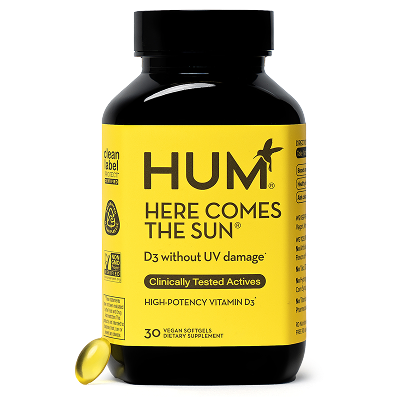
Vitamin D
Vaca-Flores notes that Vitamin D is one of the most common nutrient deficiencies, especially during months with limited sunlight, but that taking it can help regulate the immune system. It may also contribute to a more stable mood and improved energy, especially when levels are naturally lower.
Zinc
Zinc is involved in the proper function of immune cells and plays a supporting role in maintaining your body’s defenses. It’s a go-to when you feel run-down because it helps your immune system work efficiently.
Energy-Support Add-Ons (Layering Intentionally)

Once your foundation is in place, you can layer on additional support based on how you’re feeling.
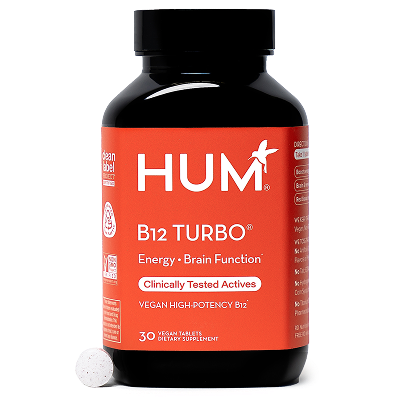
B-Complex
B-Complex provides a mix of B vitamins that help the body convert food into usable energy, making them essential for maintaining steady energy levels throughout the day, especially under stressful conditions.
Magnesium
Using high-quality magnesium like HUMs Dream Team Magnesium can enhance sleep quality, support muscle recovery, and help the body regulate stress. Better sleep and nervous system support can noticeably improve both energy and immune health.
Immune-Focused Boosters (When You Need Extra Support)
Some supplements are best used more strategically, especially during high-stress seasons or when you feel your immune system needs extra support.
Elderberry
Elderberry is rich in antioxidants that may help strengthen immune defense, which is why it is commonly used during seasonal health challenges.
Probiotics
Since a large portion of the immune system is connected to the gut, using probiotics like HUMs Gut Instinct helps promote healthy gut bacteria for regularity and healthy digestion. This, in turn, can help heighten your body’s resilience against external challenges.
Adaptogens (i.e., ashwagandha, rhodiola)
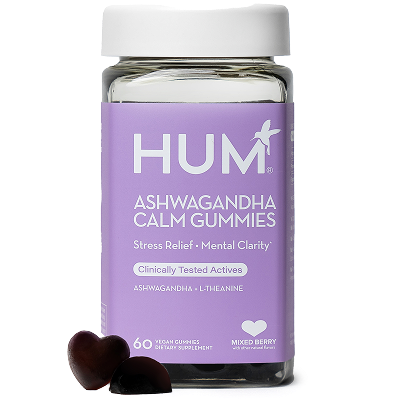
Vaca-Flores also recommends adding adaptogens like ashwagandha and rhodiola to help support the body during times of stress, which can boost both energy and immune health. Ashwagandha helps support healthy cortisol levels, reduce fatigue, and promote overall better sleep. Rhodiola is used to support mental and physical stamina, promoting more sustained energy throughout the day while supporting overall resilience.
Are there any supplement combinations you should be cautious about?
“Definitely”, Vaca-Flores adds. “High-dose zinc over long periods can interfere with copper absorption. Combining multiple products with overlapping ingredients, like stacking several immune formulas, can unintentionally lead to excessive intake of certain nutrients (especially fat-soluble vitamins like A and D). It’s also important to be mindful of interactions between supplements and medications, particularly with herbs like adaptogens or high-dose antioxidants.”
How to Stack Smart (Without Overdoing It)
Smart stacking your supplements doesn’t have to be complicated, but it’s important to remain mindful and intentional about what you’re putting in your body:
- Start with a solid foundation, then add based on your needs
- Check labels to avoid overlapping ingredients
- Stick to recommended dosages
- Be mindful of timing (some supplements are better in the morning, others at night)
- Pay attention to how your body responds and adjust accordingly
- If you’re taking medications, talk to your primary care physician before starting new supplements
Of course, even the most effective supplements work best when paired with sleep, good nutrition, hydration, and movement. These habits all help your supplements work as effectively as possible. Vaca-Flores says, “Prioritizing quality sleep is critical, as both immune regulation and energy restoration happen during sleep. A nutrient-dense diet, adequate protein intake, and proper hydration all enhance how well supplements are absorbed and utilized. Regular movement supports circulation and immune function, while stress management helps regulate the immune system and prevent energy depletion. In many cases, these habits make as much impact as the supplements themselves.”
Think of supplements as a tool—not a replacement. They’re there to enhance what you’re already doing, not replace other healthy habits.