If you’ve started a GLP-1 medication and suddenly can’t finish a meal, or find yourself forgetting to eat altogether, you’re not alone. Medications like Ozempic, Wegovy, and Zepbound are designed to curb appetite and slow digestion, helping you feel fuller for longer. But while eating less can support weight loss, it also means you have fewer opportunities to get the nutrients your body needs. That’s why prioritizing protein is so important.
Prioritizing protein-rich foods helps preserve lean muscle during weight loss, keeps you feeling satisfied, and supports everything from metabolism to recovery. And you don’t have to overhaul your diet to get these benefits. A few smart swaps and nutrient-dense staples can make it much easier to meet your protein needs—even when your appetite is at an all-time low.
Here are six of the best proteins to eat while taking a GLP-1 medication, plus a few simple ways to fit more protein into your day.
Why Protein Matters on GLP-1 Medications
GLP-1 medications work by naturally reducing hunger levels, leading us to eat fewer calories. While that’s often part of the goal, it also means it’s easier to miss out on protein, one of the most important nutrients during weight loss.
Kezia Joy, Medical Advisor for Welzo, says, “ The reason that maintaining as much muscle mass as possible during a diet is so critical is that preserving muscle provides the individual with strength, supports their metabolism, and will promote their ability to maintain independence functionally. In addition to its role in providing strength and supporting your metabolic rate, protein has several other roles, including enhancing feelings of fullness after eating and promoting healing and immune function.”
How Much Protein Do You Need?
“There is no one-size-fits-all (universal) protein target,” Joy says. “Protein needs vary by age, body mass index, physical activity, and health conditions. Therefore, most adults who are actively reducing their body weight while taking GLP-1 medications will benefit from consuming 1.2 to 1.6 grams of protein per kilogram of body mass per day.”
Joy recommends that instead of focusing on the big number each day, make a goal of consuming 25 to 35 grams of protein with each meal. “This helps support muscle protein synthesis, but also makes it easier to take in protein when you have a decreased appetite,” she says.
The 6 Best Proteins to Eat on GLP-1 Medications
1. Greek yogurt
Greek yogurt is one of the easiest ways to add protein when your appetite is low. It’s filling without being heavy, and it also provides calcium and gut-friendly probiotics.
It can be used for everything from as simple as yogurt bowls with berries and nuts to smoothies, creamy soups, and desserts.
Protein: About 17 grams per 170-gram serving
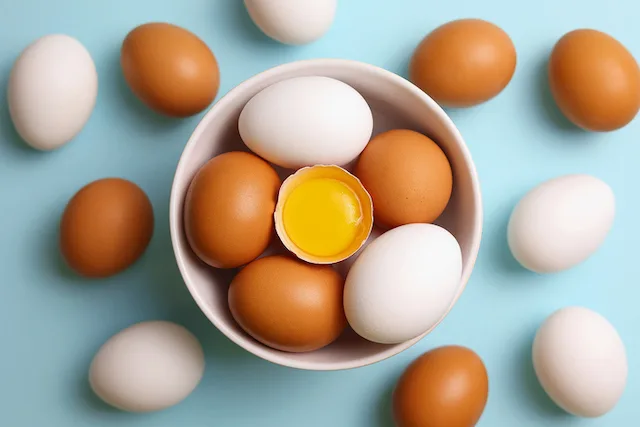
2. Eggs
Eggs are affordable, versatile, and packed with nutrition. As a complete protein, they contain all nine essential amino acids your body needs to maintain muscle, plus choline to support brain health. While they may not be the highest in protein, they can be combined with egg whites (5 grams of protein per 3 tbsp) to make a high-protein breakfast or paired with other foods to make a complete meal.
Enjoy them hard-boiled, scrambled with veggies and other proteins, or baked into egg bites for an easy grab-and-go breakfast.
Protein: 6 grams per egg
3. Salmon
Salmon is highly beneficial, providing more than just protein. It’s also rich in omega-3 fatty acids, which support heart and brain health, making it a smart addition to your weekly menu. It’s also lower in calories, making it perfect for those looking for high-protein, low-calorie options.
Serve it with roasted vegetables, top it over a salad, or add it to a grain bowl for a balanced meal.
Protein: 17 grams per 3-ounce serving
4. Cottage cheese
Cottage cheese is often overlooked, but it’s high in protein, naturally rich in calcium, and is especially versatile, working with both sweet and savory flavors. Plus, if you’re in a hurry, it’s a great option to grab and go with little to no prep.
Pair it with fresh fruit, sprinkle on everything bagel seasoning, or blend it into a customizable dip of your choice.
Protein: 13 grams per ½-cup serving
5. Chicken breast
Chicken is a staple for a reason. It’s packed with protein, versatile, and easy to meal prep, making it simple to have a nourishing option on hand. While skinless chicken breast is the leanest choice, any cut of chicken can help you meet your protein goals.
Chicken can be used in endless ways, such as soups, salads, wraps, and even grain bowls for an easy protein boost.
Protein: 25 grams per 4-ounce serving
6. Tofu
Whether you follow a plant-based diet, are a vegetarian, or simply like the taste of tofu, it’s an excellent choice to switch up your protein. It’s also a complete protein that’s super easy to cook and easily takes on whatever flavors you pair it with.
Tofu can be thrown into the air fryer for a crispy finish, added to stir-fries, or tossed into grain bowls.
Protein: 9 grams per 3-ounce serving
Simple ways to eat more protein
If you’re struggling to hit your protein goal, a few small habits can make a big difference:
- Start meals with your protein source.
- Include protein with every meal and snack.
- Keep convenient options like Greek yogurt, cottage cheese, eggs, or a rotisserie chicken on hand.
- If solid foods don’t sound appealing, try blending a protein smoothie.
- Eat smaller meals more often instead of forcing yourself to finish large portions.
- Don’t forget to stay hydrated, especially if you’re dealing with digestive side effects.
Can I use protein shakes and bars as my protein sources?
Yes, but they should be treated as supplemental rather than your go-to.
“Protein supplements are an option for individuals who have difficulty achieving adequate amounts of protein through dietary intake consistently,” Joy explains. “Typically, this is true in the initial several months of GLP-1 therapy as nausea, early satiety, or decreased appetite makes it difficult to eat frequently enough to achieve adequate daily amounts of protein. High-quality protein shakes or powders provide a convenient way to obtain a high amount of protein while consuming small quantities.”
“However, even though supplements may be beneficial, they should always support rather than replace whole food-based patterns of eating. While protein provides calories, whole foods provide many other essential vitamins, minerals, healthy fats, and phytochemicals important to the promotion of optimal long-term health.”
When you’re taking a GLP-1 medication, eating less means making every bite count. Protein-rich foods, including Greek yogurt, salmon, cottage cheese, and chicken, will be the best options to help you maintain lean muscle, stay satiated, and support your overall health throughout your weight-loss journey. You don’t have to eat perfectly to get the benefits. Make sure to include protein at every meal, focus on whole foods rather than supplements, and, most importantly, choose foods you genuinely enjoy. This will ensure that you turn these changes into lifelong habits rather than treating them as a temporary diet.