How to eat for your menstrual cycle? Just like the weather moves through seasons, your body does too as your energy, appetite, digestion, and mood all shift throughout the month.
Your cycle has four phases: menstrual (days 1–5), follicular (~days 6–14), ovulatory (~days 12–16), and luteal (~days 16–28). I like to think of them as winter, spring, summer, and autumn.
Each “season” has its own vibe. Your menstrual phase (winter) can feel slow, cozy, and inward. For example, you may feel like canceling plans and living in sweatpants on the couch. Ovulation (summer), on the other hand, can feel brighter, social, and you’re ready for a girls night out.
Instead of eating the same way every single day and wondering why your body feels off half the month, think of this as working with your cycle, not against it. Just like you switch your wardrobe, routines, and even cravings depending on the weather season, your internal season nourishment should shift too.
Here are Key Nutrients to Support Your Menstrual Cycle for Each Phase:
Menstrual Phase (Days ~1–5):

During the menstrual phase (around days 1–5), your body is in its “winter” season. This is your actual bleed phase, when energy levels are often lower due to hormonal drops, and extra nourishment and rest can feel especially supportive. This is a phase to slow down, lean into warming and grounding foods, and support replenishment.
Key nutrients during this phase include iron, vitamin C, and magnesium. Iron helps replenish what is lost during bleeding, vitamin C supports iron absorption, and magnesium can help support relaxation and muscle comfort.
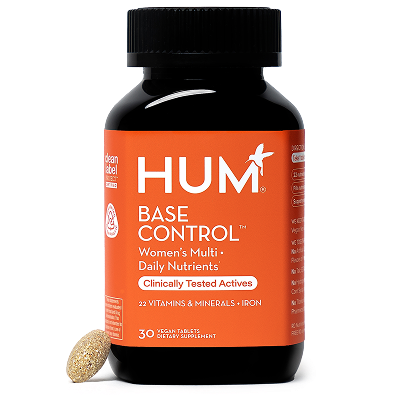

Foods like lentils, spinach, pumpkin seeds, and grass-fed beef are rich in iron, while citrus fruits and berries provide vitamin C. Dark chocolate and pumpkin seeds are also great sources of magnesium, making them perfect additions during this time of the month.
If you’re looking for something delicious to make during this phase, I love this recipe.
Follicular Phase (Days ~6–14):
During this phase, energy typically begins to rise again as estrogen levels start to increase, and motivation often returns as your body moves into its “spring” season. This is a great time to focus on rebuilding and steady nourishment through key nutrients like protein, fiber, and healthy fats. Protein supports energy and tissue repair, fiber helps support digestion and hormone metabolism, and healthy fats play an important role in hormone production and balance.
Foods to include during this phase are eggs, chicken, fish, and legumes for protein; avocado, olive oil, and flaxseeds for healthy fats; and leafy greens, berries, apples, and citrus for fiber and micronutrients. Whole grains like oats and quinoa can also help provide sustained energy throughout the day.
Ovulatory Phase (Days ~12–16):
This phase is often associated with peak energy and higher estrogen levels, and for many people, it can feel like their “summer” phase, with increased confidence and social energy. It’s a great time to support the body with nutrients that help maintain overall balance and wellness, including antioxidants, zinc, and probiotic-rich foods. Antioxidants support cellular health, zinc plays a role in normal hormone function during times of higher estrogen, and probiotic-rich foods help support a healthy gut microbiome, which is involved in normal estrogen metabolism and elimination.
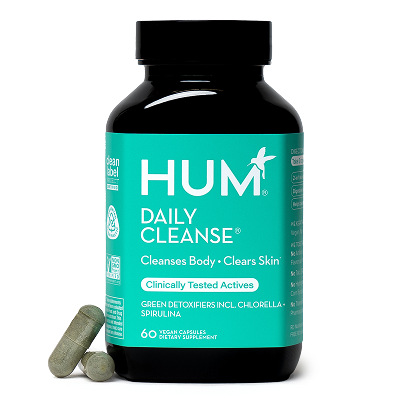
Foods to include during this phase are probiotic-rich options like Greek yogurt, kefir, and sauerkraut; zinc-containing foods such as pumpkin seeds, chickpeas, and seafood; and antioxidant-rich fruits and vegetables like berries, leafy greens, and cruciferous vegetables.
If you’re looking for ways to incorporate flaxseeds and pumpkin seeds into your diet, here’s a great recipe I love to use.
Luteal Phase (Days ~16–28):
Lastly, your luteal phase is your “autumn” phase, when energy naturally starts to slow, and appetite often increases, and you may start noticing PMS symptoms. It’s also normal to feel hungrier here, as metabolic rate can slightly increase during this phase, which may contribute to stronger cravings. This is the time to focus on nutrients like complex carbohydrates, vitamin B6, and calcium. Complex carbs help support steady energy and serotonin production, vitamin B6 supports neurotransmitter balance, and calcium plays a role in normal muscle and nervous system function.
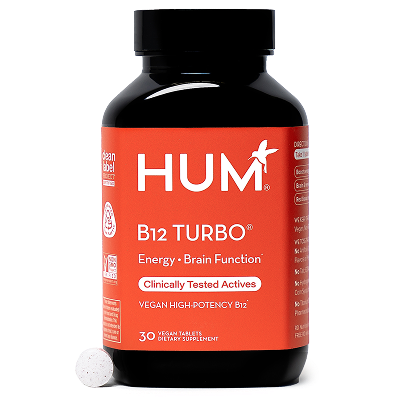
Foods to include during this phase are sweet potatoes, oats, quinoa, bananas, and chickpeas for steady energy; yogurt or calcium-fortified alternatives and leafy greens for calcium; and dark chocolate as a sweet, nutrient-rich option.
The Takeaway on Menstrual Nutrition

When you start eating to support your menstrual cycle, your body stops feeling “random” and starts feeling a lot more predictable, just like the seasons. Each of your internal seasons asks something a little different from you. And when you eat with that in mind, things usually feel a little less chaotic and a lot more in sync.