GLP-1 medications have quickly become some of the most talked-about tools for weight loss. These drugs can help reduce appetite, improve blood sugar control, and lead to significant weight loss. But alongside the excitement, a new concern is gaining attention: Are you losing muscle along with fat?
If you’re taking (or considering) a GLP-1, this is something registered dietitians (RDs) are watching closely. The short answer: muscle loss can happen, but it’s not inevitable. And there’s a lot you can do to protect your body composition.
Let’s break it down.

First, What are GLP-1s Doing in Your Body?
GLP-1 receptor agonists work by mimicking a natural hormone that helps regulate blood sugar and appetite. They slow gastric emptying (so you feel full longer), reduce hunger signals, and can even change how rewarding food feels. The result? Many people naturally eat less, and for some, a lot less. And that’s where the muscle conversation begins.
Why Muscle Loss Can Happen During Weight Loss
Any time you lose weight — whether through diet, medication, or lifestyle changes, you typically lose a mix of:
- Fat mass
- Lean mass (which includes muscle)
Research suggests that about 20–40% of weight lost can come from lean mass, depending on the approach. With GLP-1s, early data suggests this ratio may fall within a similar range, though it varies widely based on habits.
Here’s the key issue: If you’re eating significantly less but not prioritizing protein or resistance training, your body may break down muscle for energy.
Why Muscle Matters More Than You Think
Losing muscle isn’t just a cosmetic concern. It has real health implications. Muscle helps:
- Maintain metabolic rate
- Support strength and mobility
- Regulate blood sugar
- Protect bone health
Losing too much muscle can make it harder to keep weight off long-term and may leave you feeling weaker or more fatigued. That’s why RDs aren’t advising against trying a GLP-1 if you’re interested (and your doctor is aligned), but rather they’re urging you to use them strategically.
Signs You Might be Losing Muscle (not just fat)
It’s not always obvious, but a few red flags include:
- Feeling weaker during workouts
- Fatigue or low energy
- Rapid weight loss (especially >2–3 lbs per week)
- Not eating enough protein
- Skipping meals due to low appetite
Body composition scans (like DEXA or InBody) can give more precise insight, but your daily habits often tell the story first.
What RDs Want You To Do ASAP
If you’re on a GLP-1, or planning to start, these are the top priorities dietitians recommend.
1. Prioritize protein (even when you’re not hungry)
This is non-negotiable. Because GLP-1s suppress appetite, many people unintentionally under-eat protein. That increases the risk of muscle loss.
General target: Aim for about 20–30 grams of protein per meal, or roughly 0.8–1.2 grams per pound of goal body weight, depending on your needs.
Easy options when appetite is low:
- Protein shakes or smoothies
- Greek yogurt
- Eggs
- Cottage cheese
- Soft proteins like tofu or shredded chicken
2. Start (or keep) strength training
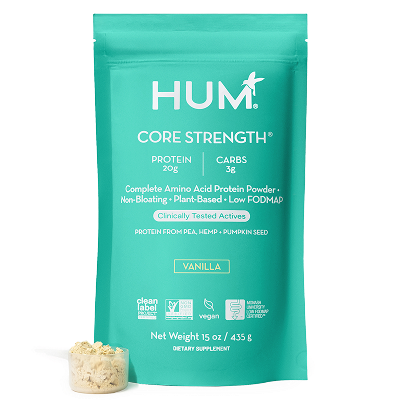
If there’s one habit that protects muscle the most, it’s resistance training.
You don’t need to become a bodybuilder. But, you do need to challenge your muscles consistently.
Aim for:
- 2 to 4 strength sessions per week
- Full-body workouts (especially if you’re new)
- Progressive overload (gradually increasing weight or reps)
Even bodyweight exercises can help if done consistently.
3. Don’t let calories drop too low
Yes, GLP-1s reduce hunger, but eating too little can backfire.
Very low calorie intake:
- Increases muscle breakdown
- Slows metabolism
- Can worsen fatigue and nutrient deficiencies
If you’re struggling to eat enough, focus on:
- Smaller, more frequent meals
- Nutrient-dense foods
- Liquid nutrition (like smoothies)
4. Space your meals strategically
Instead of eating one or two small meals, try to spread protein intake across the day.
This helps maximize muscle protein synthesis (your body’s ability to build and maintain muscle).
A simple meal framework:
- Breakfast: protein + carbs
- Lunch: protein + fiber + fats
- Dinner: protein + veggies + carbs
- Optional snack: protein-focused
5. Monitor more than just the scale
Weight loss alone doesn’t tell you what’s happening in your body.
Track:
- Strength levels
- Energy
- Measurements
- Body composition (if available)
The Takeaway on GLP-1 Muscle Loss
GLP-1 medications aren’t “stealing” your muscle. However, they can create conditions where muscle loss is more likely if you’re not proactive. The good news is that this is largely preventable. With enough protein, consistent strength training, and adequate nutrition, you can shift the balance toward fat loss while preserving lean mass. Think of GLP-1s as a tool, not a shortcut. The habits you build alongside them are what ultimately shape your results.
5 Tropical Fruits That Are Ripe for the Picking This Summer, Plus Why They’re So Good for You

How to Build Your Perfect 7-Day GLP-1 Boosting Diet Plan for Weight Loss

GLP-1-Forward Dinner Recipes That Won’t Break the Bank