If your morning caffeine is non-negotiable, you may have wondered: Is caffeine healthy? The short answer is that, for most healthy adults, moderate caffeine intake isn’t something to fear. In fact, caffeine is well studied for its ability to support alertness and fight fatigue.
The FDA cites up to 400 mg of caffeine per day as generally safe. So why does one caffeinated drink leave you feeling focused while another can make you feel shaky, wired, or ready for a nap a few hours later?
It’s less about whether caffeine is simply “good” or “bad” and more about how much you’re getting, where it comes from, when you consume it, and the context you consume it in.
When Is Caffeine Healthy, and When Does It Become Too Much?
When it comes to caffeine, more isn’t necessarily better. Research suggests lower amounts of caffeine can support alertness and performance, while higher doses are more likely to increase feelings of nervousness and jitteriness. And while everyone has a different threshold, this helps explain why ultra-caffeinated energy products don’t always translate to better-feeling energy.
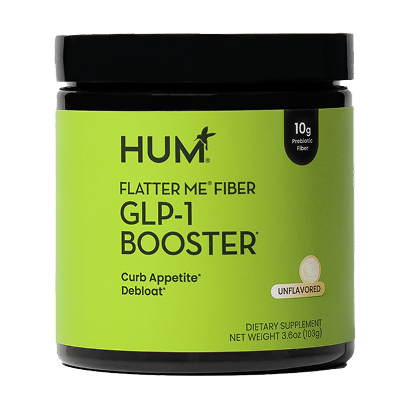
We considered that when formulating Flatter Me Fiber GLP-1 Booster Peach Iced Tea. Rather than caffeine-maxxing, we intentionally landed at 100 mg per serving to provide a noticeable energy lift while keeping the caffeine dose moderate and jitters to a minimum.
Our Take on “Clean Energy”
Dose was only one part of the decision. We also cared about where our caffeine came from. Instead of generic synthetic caffeine, Flatter Me Fiber GLP-1 Booster Peach Iced Tea uses PurTea®, a highly purified caffeine sourced from sustainably sourced green tea leaves. PurTea is naturally sourced and Non-GMO Project Verified. ‘
While the source of caffeine doesn’t change the caffeine molecule itself, it does shape how we think about ingredient quality and formulation. That’s why we chose a premium green-tea-derived caffeine, paired it with a moderate 100 mg dose, and built it into a formula designed to offer an energy lift alongside broader digestive and metabolic support.
The Benefit of Taking Caffeine With a Meal
Have you ever noticed that when you have caffeine on an empty stomach, it leaves you feeling jittery, anxious, or even upset? But when you have caffeine with breakfast, it leaves you feeling steadier and more balanced?
We factored that in. Because Flatter Me Fiber GLP-1 Booster is best taken with a meal, it helps set you and your body up for success.
Now you’re getting 100 mg of caffeine alongside a meal and 10 grams of fiber, which may improve tolerability and support energy from caffeine and your nutrition.
That may even be interesting from an absorption standpoint. Caffeine is absorbed primarily after it leaves the stomach; since fiber helps slow gastric emptying, this may allow steadier caffeine absorption and less of a “rush.”
What Does a Healthy Caffeine Habit Look Like?
If caffeine works for you, a few things matter most:
- Pay attention to amount. More isn’t always better. A cup of coffee or matcha is usually around 80-100 mg, while many energy drinks can pack in double that.
- Consider timing. Caffeine can interfere with sleep even hours after you consume it. Many people notice that caffeine intake 1-2 hours after waking up and stopping around 12-1pm in the afternoon feels best.
- Notice your individual response. Genetics, medications, habitual intake, and other factors can make one person’s caffeine tolerance very different from another’s. If you find yourself sensitive, caffeine from tea sources containing L-theanine may be a great option, or even pairing your caffeine with food may make all the difference.
Ultimately, caffeine doesn’t have to be an all-or-nothing wellness decision. With Peach Iced Tea Flatter Me Fiber GLP-1 Booster, we chose 100 mg of green-tea-derived caffeine, a premium botanical source, and a format designed to be enjoyed with a fiber-rich meal to support digestion, metabolism, and energy.