On Your Period? Add These 8 Supplements to Your Regimen

The luteal phase varies for women; while some might enter the second half of their cycle feeling calm and productive, others might experience a lot of ups and downs due to fluctuating hormones. Many even experience a mix, with some of that early luteal phase bliss, followed by PMS symptoms that feel like the world is out to get you.
Regardless of what your luteal phase looks like, going into the menstruation phase with a game plan is key. This looks like figuring out how to manage cramps during periods, feel more grounded when anxious feelings arise, and get rid of some of the bloating and constipation that feels unavoidable—and supplements can help give you the support you’re looking for.
Best Supplements for Your Period
What we eat during our 28-day cycle can impact how we feel, especially during the post-ovulation phase when our bodies are headed into menstruation. And, while eating foods rich in certain nutrients can help ease some of the period woes, supplements can help you double down. Here are the best supplements for your period symptoms, including vitamins, minerals, and herbal remedies.
- Iron
Many believe that taking iron during your period can help replace blood loss. While there isn’t enough research to support this claim, iron helps with the transportation of oxygen throughout the body, especially to the lungs. This can help support energy levels, which might feel lower during menstrual bleeding. If iron is depleted, you might also feel dizzy during your period. Eating iron-rich foods can help support these effects. Iron is also beneficial for addressing brain fog and improving overall focus, since it delivers oxygen to the brain.
2. Vitamin C
Vitamin C is a beneficial nutrient to add to your regimen during your cycle, since it helps with iron absorption. While it’s particularly effective for plant-based iron (aka, the iron you get from your diet), it doesn’t hurt to up the ante when taking iron supplements. Taking a vitamin C supplement might also reduce some of the inflammation that occurs during menstruation.
3. Vitamin B Complex
When you’re on your period, you might feel a little—okay, a lot—more anxious due to fluctuating hormones. Taking vitamin B complex can actually help reduce some of these anxious feelings in addition to making you feel more regulated, since vitamin B6 boosts serotonin, and vitamins B9 and B12 support red blood cell production and ward off fatigue.
4. Omega-3 Fatty Acids
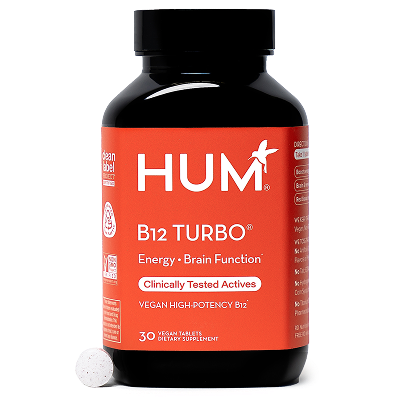
If you’re prone to PMS symptoms, making sure you get enough omega-3 fatty acids might help. Omega-3 fatty acids help reduce inflammation and pain, which can help reduce discomfort during your period, including cramps. Eating foods rich in omega-3 fatty acids is the best way to get more of these essential nutrients into your system. However, if you need some additional help getting them in, a fish oil supplement is a great option.

5. Magnesium
Magnesium is known for its muscle-relaxing benefits and can even soothe muscles in the uterus. This can help decrease the severity of cramps during your period. In addition to reducing period cramps, magnesium can help with general pain and discomfort during menstruation. This nutrient is also known for its ability to regulate bowel movements, which can be of benefit when on your period, since the spike in progesterone can cause constipation.
6. Vitamin D
Further research is needed on the relationship between vitamin D and menstrual cycles. However, some benefits of vitamin D can directly impact period symptoms. Vitamin D is great for reducing inflammation and can help reduce some of the localized inflammatory responses in the uterus during menstruation. When pregnancy doesn’t occur, progesterone dips to signal menstruation. This dip in progesterone reduces the body’s natural anti-inflammatory response, which leads to some of the uncomfortable period symptoms many women experience.
7. Fiber
There are so many reasons to increase your fiber intake, one of which is that many of us don’t get enough of it in our diets. However, if you’re concerned about cramping, bloating, and mood swings during your period, increasing your fiber intake (either through food choices or supplementing with HUM Nutrition’s Celery Juice Fiber Gummies or Flatter Me Fiber) might help. Fiber can flush excess estrogen in the body, which can cause some of these PMS symptoms. Additionally, fiber helps keep you regulated and can address some of the uncomfortable constipation caused by fluctuating progesterone during your luteal phase.
8. Ginger Root
For an herbal remedy, consider adding more ginger to your diet, sipping ginger root tea, or taking a supplement. Ginger is known for its antioxidant properties and can reduce inflammation during menstruation. Additionally, it’s soothing on the digestive tract, which might help address some of the nausea that some experience during their cycle.
The Takeaway
Incorporating foods that are rich in these nutrients is one of the best ways to up the ante and support PMS symptoms ahead of and during your menstrual cycle. However, if you need some extra support, supplementing with capsules and powders is a way to ensure you get enough iron, vitamin C, fiber, and more.


The Vaginal Wellness Boom: Why Intimate Health Is Having a Major Moment

Your Vulva’s Not Being Dramatic—It Might Just Have Dermatitis (Yes, It’s a Thing)

Bacterial Vaginosis Has Always Been Seen as a ‘Women’s Issue.’ A New Study Shows It May Be More…