If 2025 was the year wellness went global, then 2026 is shaping up to be the year it becomes deeply personal. With smarter tech, more accessible testing, and an increasingly health-literate population, the wellness trends for 2026 are more intentional, more science-backed, and more lifestyle-friendly than ever before. What used to be niche, like metabolic coaching, microbiome testing, or green tea lattes, has now become mainstream culture, showing up on social feeds, in grocery carts, and in travel itineraries alike.
Below, we present HUM Nutrition’s official pulse check on the biggest health trends about to take over your routine, your goals, and yes—your pantry.
16 Wellness Trends We’re Predicting Become More Popular in 2026
16. Functional Foods
Functional foods exploded in 2025, thanks to heightened interest in ingredients like magnesium, electrolytes, L-theanine, adaptogens, probiotics, protein, and polyphenols. The consumer mindset shifted dramatically: food wasn’t just fuel—it was a delivery system for better sleep, sharper focus, calmer moods, and more resilient digestion. Sparkling waters, chocolates, and morning lattes all got therapeutic upgrades.
In 2026, consumers expect clear, clinically backed benefits from every functional product they choose. Digestive-supporting lattes? Absolutely. Mood-balancing chocolates? Already trending. Immunity drinks with real research behind them? We’re there. Nearly every food category will introduce “supercharged” variations with targeted wellness benefits.
15. Matcha Mania
Matcha mania defined 2025. With its jitter-free caffeine, antioxidant punch, and L-theanine–powered calm, matcha became the darling of beverage launches nationwide. Demand skyrocketed so quickly that early signs of supply shortages emerged—especially for ceremonial-grade powder. Canned matcha beverages, matcha-protein hybrids, and green tea “focus shots” also gained traction.
Will matcha continue dominating in 2026? Absolutely—but brands will diversify to avoid supply challenges. Expect the rise of sencha-based drinks, hojicha coffee alternatives, green tea polyphenol blends, and matcha-adjacent beverages offering the same “calm energy” experience. Green tea is officially a beverage category, not just a tea.
14. Circadian Health & “Body Clock” Optimization
Circadian rhythm research made headlines in 2025 as studies confirmed its staggering impact on mood, digestion, metabolism, and long-term health. People finally understood why disrupted sleep patterns affect everything—including weight management and cravings. Overnight, habits like morning sunlight, nighttime screen limits, and consistent sleep schedules went from advice to cultural staples.
In 2026, the circadian movement grows even stronger. Blue-light-blocking timers will be built into devices, sunrise lamps will become home essentials, and “circadian eating”—timing meals earlier to match metabolic cycles—will take off. Consumers will adopt body-clock-friendly supplements and routines to support sleep depth and hormonal balance.
HUM products:
13. Effortless Longevity Rituals
Longevity dominated 2025, but consumers quickly grew weary of expensive, complex biohacking protocols. That’s why 2026 favors a lighter approach: longevity through simple, sustainable habits. Early bedtime, walking 10k steps, adding magnesium, enjoying sauna or cold exposure, and improving protein and creatine intake—all became everyday staples.
Unlike rigid longevity plans of the past, 2026 embraces “micro-aging rituals” that integrate seamlessly into daily life. Instead of chasing extreme lifespan-extension protocols, people want vitality, energy, and mental clarity—now, not decades later.
12. Tongue & Strips

Convenience was a defining theme of 2025, and 2026 will double down on ultra-efficient wellness formats. Tongue supplement strips—fast, dissolvable, and discreet—are gaining popularity among individuals who dislike capsules. Liposomal formulas, known for high absorption and gut-friendly delivery, are expanding across vitamins, antioxidants, and adaptogens. The drive? Convenience, convenience, convenience.
This trend marries two consumer desires: better absorption and effortless use. Expect multi-benefit liposomal blends, travel-friendly strip formats, and supplements designed for quick action.
11. Clean Caffeine & Calm Energy
In 2025, consumers sent a clear message: they want to feel energized—but never overstimulated. The heart-racing, jitter-inducing caffeine highs of old-school energy drinks are officially out. Clean caffeine sources like yaupon, guayusa, matcha, tea extracts, and L-theanine–enhanced blends are dominating beverage pipelines.
2026 energy products will focus on clarity, mood balance, and mental endurance rather than sheer stimulation. Expect sparkling “focus waters,” low-caffeine matcha blends, and adaptogenic energy shots promising both performance and calm. What’s driving this? With sleep optimization on the rise, weight lifting being so “in vogue”, and the increase in semaglutide and GLP-1 medications, energy is emerging at the forefront as a valuable currency in day-to-day health.
10. Wearable Wellness
Wearables saw massive adoption in 2025, but 2026 is the year they become truly influential as the software and AI capabilities become more sophisticated. Smart rings, stress monitors, glucose sensors, and sleep trackers now offer highly accurate biometric insights. With improved battery life and better algorithmic interpretation, the data finally feels usable—not overwhelming. Consumers are no longer just counting steps—they’re understanding stress responses, hormone patterns, and light exposure habits.
By 2026, your Oura Ring, WHOOP band, Apple Watch, Fitbit, or metabolic tracker becomes the silent operator behind your wellness routine. Wearables will guide sleep timing, suggest workout intensity, flag recovery needs, and tailor daily behaviors like hydration or protein intake. For many, these devices will become digital health coaches rather than simple trackers.
Best Wearables of 2026 (listicle-style):
- Oura Ring Gen 4 – elite sleep + recovery insights
- WHOOP 5.0 – advanced strain + recovery scoring
- Apple Watch Series 11 – metabolic + stress monitoring
- Ultrahuman Ring AIR – glucose stability + metabolism insights
- Levels – continuous glucose monitoring
9. Creatine
Creatine shocked the wellness world in 2025 by becoming a top supplement for women. Research highlighting its benefits for ATP (Adenosine Triphosphate) production, cognitive performance, PMS fatigue, and muscle recovery made it a standout nutrient for energy, strength, and longevity.
In 2026, creatine becomes as common as collagen—showing up in beauty formulas, brain-health blends, and daily wellness stacks. Expect lower-dose, female-friendly formulas, flavored options, and functional beverages enhanced with creatine.
HUM product pairing:
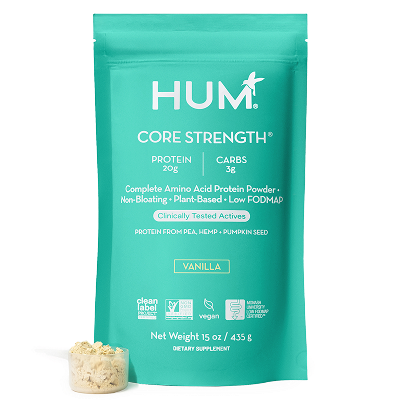
- Core Strength Protein (pairs well with creatine)
- Uber Energy (for mitochondrial support)
8. AI Health Coaching
AI has infiltrated nearly every industry, but health may be where it has the greatest impact. In 2025, early AI coaches provided meal plans and symptom check-ins, but by 2026, these tools will become hyper-personalized, adaptive, and smart enough to offer real-time guidance.
AI will analyze sleep, stress, menstrual cycles, food logs, and wearable data to provide holistic suggestions*—when to eat, how to hydrate, what supplements to prioritize, when to rest, and how to adjust workouts. AI becomes a wellness teammate.
HUM tie-in: HUM’s personalized quiz and AI nutritionist are great tools to get you jump-started to a healthier you!
*Remember, many AI platforms are not certified or licensed professional health services, but rather powerful tools that provide general information, guidance, and motivation.
7. Preventative Scans

Preventative scans are trending. You have probably seen them all over your TikTok and Instagram feeds. As longevity culture and early-detection awareness continue to gain traction, we believe that popularity is on the rise when it comes to preventative scans. With improved imaging accuracy and lower costs, consumers turned to whole-body MRI and biomarker panels to track long-term health risk before symptoms arise.
In 2026, full-body scans will become normalized tools for proactive wellness, often paired with personalized supplement and lifestyle plans. This movement shifts health from reactive to preventative—one of the biggest paradigm changes of the decade.
The drive? A lean towards preventative care and “knowledge is power”, because health is personal and becoming more personalized.
6. Weightlifting for Women
Speaking of, weightlifting surged in popularity in 2025 as more women discovered its benefits for metabolism, bone density, hormone balance, mental resilience, and long-term health. Influencers, gyms, and even medical providers emphasized resistance training as a cornerstone of women’s wellness.
In 2026, expect strength training content, apps, and programs specifically built for female physiology. Progressive overload tools, simple at-home programs, and recovery nutrition guidance will become mainstream. Strength is no longer a trend—it’s a lifestyle. Strong is the new skinny.
5. Next-Gen Proteins
Protein reigned supreme in 2025, but 2026 ushers in a much more nuanced evolution: precision and purpose. Rather than simply adding grams, consumers now want targeted protein formulas—whether that’s plant isolates, fermented proteins, or hybrid blends combining plant + dairy or plant + collagen. Women in particular drove category growth in 2025, prioritizing protein to support hormone balance, muscle health, longevity, and metabolic stability.
In 2026, expect to see clinically validated protein blends, ultra-clean ingredient lists, and packaging that clearly states benefits like satiety support, muscle repair, and digestive friendliness. Protein becomes a personalized tool, not just a macronutrient.
4. Wellness Travel
2025 travel insights revealed a massive increase in trips centered on longevity, sleep optimization, hot/cold therapy, forest bathing, gut-friendly cuisine, and nature immersion. Travelers began seeking experiences that restored—not depleted—their energy. Personally, I traveled to Tulum for a somatic healing retreat, and it’s going down as one of the best trips I’ve taken. When I returned from the health retreat, I was refreshed, restored, and had sharpened my focus on what truly mattered. Resorts are expanding their wellness offerings, and some hospitality chains are innovating solely based on longevity and wellness travel. Take, for example, Equinox, which is expanding globally in luxury performance travel.
In 2026, expect circadian-friendly hotels, high-end mineral therapy retreats, low-inflammation menus, infrared sauna lounges, and wellness itineraries built around recovery, not indulgence. Connection to community and disconnection from your phone. Wellness travel is no longer a niche—it’s the new luxury.
3. Women’s Hormones Health Goes Mainstream
Speaking of, weightlifting surged in popularity as a wellness trend in 2025 as more women discovered its benefits for metabolism, bone density, hormone balance, mental resilience, and long-term health. Influencers, gyms, and even medical providers emphasized resistance training as a cornerstone of women’s wellness.
In 2026, the category will experience massive product innovation, wider access to hormone testing, content that demystifies cycles, and supplements tailored to different life stages. Instead of one-size-fits-all solutions, women will receive targeted, stage-specific support.
2. Oral GLP-1s
The utter explosion of GLP-1 medications‘ popularity dominated headlines in 2025, but 2026 will see rapid expansion into oral weight-loss medications that offer easier, less invasive delivery. With further research on the long-term metabolic implications, oral medications will become integrated into holistic care plans rather than being used as standalone solutions.
Consumers may focus more on maintaining muscle, supporting metabolism, stabilizing blood sugar, and building sustainable habits while using these medications. Supplement routines, protein intake, and strength training will play major roles. A wellness trend that is becoming a major movement.
1. Fiber-Rich Foods & Gut Health
Gut health surged in 2025, thanks to a wave of studies linking fiber intake to better metabolic health, more stable energy, improved immunity, and even clearer skin. Resistant starches, prebiotic fibers, and fermented ingredients took center stage, and consumers began seeing fiber as a tool for everything from blood sugar control to mood regulation. Early 2025 surveys showed that a significant percentage of consumers specifically sought out “fiber-fortified” snacks to support digestion and reduce bloating.
In 2026, fiber becomes a full-blown lifestyle category. Expect grocery stores to spotlight fiber grams the way they highlight protein. Restaurants will add microbiome-friendly menu items, and packaged foods—from cereal to energy bars to pasta—will boast prebiotic blends. Fiber is finally getting its moment—and consumers are ready for it.


2026’s Biggest Weight Loss Trend? Building Muscle, Not Losing It

Weight Loss Trends Over The Holidays: What’s Normal, What’s Not, and What You Can Control

Peptides Are Trending in Wellness and Longevity Circles—But Are They More Risky Than Rewarding?