We spend plenty of time thinking about our skin, our gut, and our workout routine—but our brain is behind the whole operation. It powers every conversation and decision, not to mention our memory and mood, but it all too often falls by the wayside when it comes to proactively nurturing it. However, anyone who wants to stay sharp as they age should make an active effort to improve brain health.
According to Tommy Wood, PhD, a neuroscientist, performance consultant, and author of The Stimulated Mind: Future-Proof Your Brain from Dementia and Stay Sharp at Any Age, doing so could very well help keep dementia and cognitive decline at bay. “It is estimated that somewhere between 45 percent and 73 percent of dementia cases may be preventable, and maybe around half of those preventable cases are directly related to lifestyle,” he says. “Though genetics do play a role, around 90 percent of your individual risk may be modifiable.”
Even more good news? You don’t have to bend over backwards to actively boost and protect your noggin. Dr. Wood developed his 3-S model to dial in on the pillars that truly move the needle:
- Stimulus: the cognitive demand or challenge that our brains receive through social or mental activities
- Supply: the energy, oxygen, and nutrients that allow our brains to respond to stimuli
- Support: the processes of adaptation, maintenance, and repair that occur when we rest and sleep
Ahead, discover how to improve brain health via easy-to-adopt tips under this framework so you can keep your brain sharp and resilient for years to come.
1. Pick Up A New Skill Or Hobby
Introducing novelty to your life is one of the best ways to keep your brain sharp, agile, and firing on all cylinders. This could include learning a foreign language on Duolingo, picking up a new musical instrument, or taking up knitting. “It doesn’t have to take a lot of time, but try for 30 to 60 minutes two to three times per week and really lean into the feelings of being a beginner and getting better with practice,” Dr. Wood advises.
2. Join A Dance Class

Any movement is great for your health, but dancing has a leg up as far as the brain benefits go. “Dancing has consistently been found to improve cognitive function and mood, probably because of the combination of movement, music, and social interaction,” says Dr. Wood. Have two left feet? Not to worry: He also gives the green light to learning other new forms of movement, including but not limited to racket and ball sports and martial arts. “All of these activities beneficially support cognitive function in a similar way,” he says.
3. Volunteer
Volunteering isn’t just good for the community; it’s also good for your brain, mental health, and overall sense of well-being. “Humans are social animals, and there’s something special that happens to our physiology and brain health when we spend time engaging in pro-social behavior,” Dr. Wood explains. Not only will you help out a worthy cause, but you’ll also foster social connection—another critical factor to improving long-term brain health and function, he says.
4. Do Cardio
Start (or continue) activities that bring your heart rate up. Of course, cardio is great for your heart health but it shouldn’t be overlooked for its brain health benefits, too. According to Dr. Wood, cardio supports blood flow to the brain, which brings in critical nutrients. He advises aiming for two or three cardio sessions per week of 30 to 45 minutes each. It’s up to you whether that looks like hot girl walks, cycling, hiking, rowing, team sports, or a mix thereof.
5. Get Your Vitamins

A handful of vitamins and nutrients are crucial to prioritize for anyone seeking to improve brain health. “Across multiple studies, higher levels of B vitamins, omega-3 fats, antioxidants, and vitamin D have consistently been linked to healthier brains,” says Dr. Wood. Above all, he advises getting these through diet. To load up on these nutrients, load up on good-for-you foods like sardines, salmon, blueberries, raspberries, and strawberries. A multivitamin could also be a good insurance policy. “In the recent Cosmos trial, older adults given a daily multivitamin for two years had improvements in cognitive function,” he shares.
6. Don’t Skip Your Checkups
“Ensuring a good supply of energy to the brain means avoiding metabolic disease, if possible,” says Dr. Wood. “Often we can be at high risk of disease but we don’t know because we’re not checking.” For this reason, he advises attending your annual physicals and staying on top of biomarkers like blood pressure, blood sugar, cholesterol, and triglycerides. Heed your doctor’s orders to get them into normal or optimal ranges, which might involve dietary changes or exercise.
7. Stay On Top Of Your Oral Health
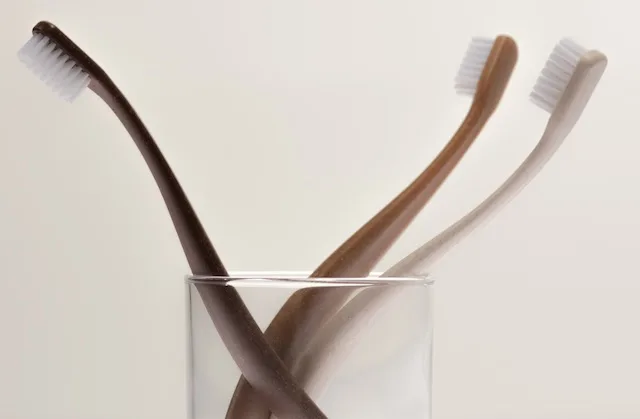
A growing amount of research suggests that oral health can directly impact brain health and disease outcomes. “Gum disease is caused by an overgrowth of certain bacteria that can increase inflammation and increase the risk of heart disease and dementia,” Dr. Wood warns. Stick to the basics of oral hygiene—like brushing twice daily and flossing regularly—and be sure to visit the dentist for regular cleanings and checkups.
8. Limit The Booze
In case you unwind with a glass of wine nightly or enjoy a boozy brunch every weekend, you might want to reconsider. “Alcohol can impair sleep, and those who drink daily tend to have smaller brains and a higher risk of dementia,” Dr. Wood warns. However, he says that you don’t necessarily need to abstain from alcohol completely. “When you do drink, savor something you really enjoy while having a nourishing meal or spending quality time with loved ones or friends,” he suggests. Still, reducing your intake is still a smart idea. Consider swapping your adult beverage with an alternative with a similar taste or fizz, as well as replacing the ritual with something else—say, a walk around the block or a five-minute meditation—to help you destress from the day.
9. Sleep Well
Last but not least, how well (and how much) you snooze has a major bearing on your brain’s health and function. Dr. Wood reminds us that seven to nine hours is the sweet spot for most adults. In addition, sleep regularity—i.e., going to bed and waking at the same time daily—is one of the most important habits to adopt. In case you didn’t clock as much time snoozing as you’d like, you can also fit in naps, ideally as early in the day as possible, to make up for lost time. “Even an extra 15 to 30 minutes can have a big impact,” Dr. Wood says.
The Takeaway: How to Improve Brain Health
Protecting your cognition function and brain health doesn’t need to be a full-time job. Many of the habits on this list fall under the umbrella of boosting overall health and well-being, while others—like learning to dance, breaking a sweat, and picking up a new hobby—are also bound to boost happiness and inject more joy into your day. Moreover, all of these habits are interconnected and create a domino effect to benefit your brain and body.
“For example, when you stimulate your brain you increase the supply of nutrients to those areas of the brain, but you also create a more supportive environment and drive for recovery and adaptation during sleep,” says Dr. Wood. “Any one change can make big shifts across the entire system that synergize and help build greater headroom.” All you need to do is start and stay consistent to allow the brain health benefits to compound over time.