TikTok convinces us to do a lot in the pursuit of quality rest—like putting magnesium in bedtime mocktails, taping our mouths shut, and dozing off to white (or brown, or pink) noise. The latest advice going around on SleepTok? Taking a “dark shower,” which is said to promise less stress and deeper sleep simply by flipping off the bathroom lights during your nightly cleanse. It sounds almost too easy, which raises the obvious question: Is this a legitimate wellness hack, or just mood lighting and vibes?
We spoke to a sleep expert to see if the trend actually works and is worth trying out for yourself.
Is Dark Showering Legit?
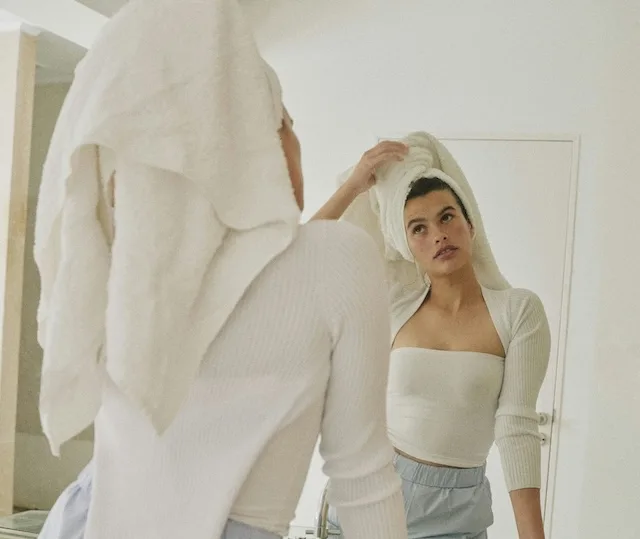
According to Kelly Murray, a certified pediatric and adult sleep consultant, a dark shower could very well improve your nightly wind-down routine. A few points make it worthy of trying out before bedtime.
“The warm water triggers a temporary rise in core body temperature. When you step out into cooler air, that drop mimics what your body naturally does as it prepares for sleep, making it easier to fall asleep faster,” Murray explains. Then, there’s the signal from the low (or lack of) lighting. “Low or no light signals safety, activates the parasympathetic nervous system [aka the rest-and-digest phase], and begins the body’s natural descent into rest,” she continues.
On the other hand, she says that bright and blue-toned light raises cortisol (a neurotransmitter associated with both alertness and stress) and suppresses melatonin (aka the sleep hormone). You likely already know that it’s wise to dim the lights leading up to bedtime, as it’s attributed to these same reasons. Hence why it’s no surprise that a dark shower gets the green light from experts to reduce stress and improve sleep.
How to Improve the Dark Showering Experience
Sure, this TikTok hack could be as simple as it sounds: simply showering in the dark. However, there are a few ways to upgrade the experience.
Murray advises:
- Aiming for a water temperature around 104 to 108 degrees Fahrenheit, which is “warm enough to feel the temperature contrast when you step out, but not so hot that it’s uncomfortable”
- Showering for roughly 10 to 15 minutes
- Taking a shower around 90 minutes before bed, as this time frame is “well-documented to help create that rise and fall in core body temperature that supports melatonin production”
- Lighting a candle or plugging in an amber nightlight for more ambiance and safety
- Adding calming scents, like lavender or frankincense, via candles or essential oils
She also recommends tuning into your senses during your shower. Instead of letting your mind run on autopilot, luxuriate in the scent of your shampoo, body wash, or the candle you’re burning. It could even work to your advantage to tune into the sound of the water splashing around you. Murray cites a 2024 meta-analysis published in the journal Stress, which found that natural sounds like flowing water were more beneficial for stress reduction and stabilizing heart rate than silence. In short, easing into mindfulness and paying attention to what’s going on around you—rather than the thoughts spiraling in your head—is a surefire way to augment the calming benefits of the dark shower.
Tips to Round Out Your Nightly Routine
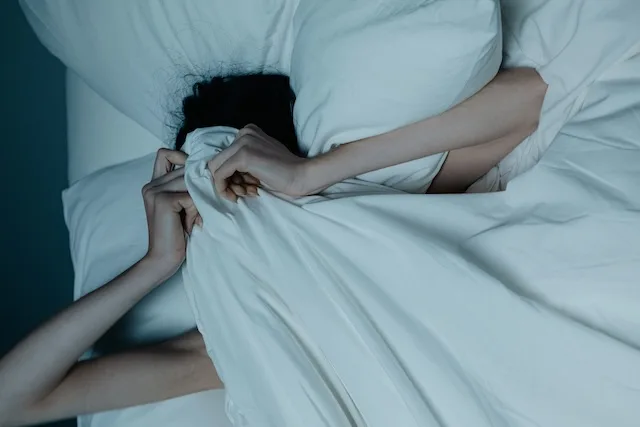
You’ll basically undo any benefits of your dark shower by stepping out of the bathroom into your brightly lit bedroom before throwing on PJs and scrolling on your phone. That said, Murray says that your dark shower should be the anchor of your wind-down routine, not the whole thing.
The main idea is to keep the vibes going for the rest of the night. “The goal is a seamless transition from the shower to sleep,” Murray says. So be sure to leave your phone alone until morning, and complete the rest of your routine—like your skincare and hair care—without overhead lights.
Of course, this should complement the tried-and-true basics of sleep hygiene. “Pairing a dark shower with a consistent bedtime, a few minutes of slow breathing or light stretching, and keeping the bedroom cool and dark reinforces all the same signals your body just received in the shower,” Murray shares.
Consistency is also key, so make your nightly dark showering routine and whatever else that follows into a ritual. “The brain loves predictability. The more consistently you string these cues together, the faster it learns what comes next,” says Murray. Continue giving your body and mind cues that it’s time to settle down for the night—not to activate with screens and to-do lists—and you’re bound to find yourself with less stress and an easier time drifting off.
The Bottom Line
While most TikTok hacks are overhyped, it turns out that the dark shower actually has some merit behind it. (Not to toot my own horn, but I’ve been doing this my entire life and consider it a non-negotiable in my own destressing, pre-ZZZ routine.) And while it can be effective, you shouldn’t expect any miracles.
“It’s meaningful, but it’s not magic,” says Murray. “But for someone who just needs a better wind-down routine, this could genuinely move the needle.” Just know that it won’t cure anxiety, hormonal imbalances, or sleep disorders that lead you to toss and turn—all of which you warrant consulting a medical professional to navigate.