Veggies First, Carbs Last: The Science of Eating in Order for Steadier Blood Sugar

You don’t have to give up the pasta. Research suggests simply saving it for last could help keep your blood sugar, energy, and cravings on a more even keel.

We spend a lot of time thinking about what to eat. But what if the order you eat it in mattered too? That’s the idea behind food sequencing, a simple strategy that’s gaining traction with researchers, dietitians and your social feed alike. The premise: start with vegetables, follow with protein and healthy fats, and finish with carbohydrates. No special foods, no counting, just a smarter sequence. Here’s what the science says and how to make it work on your plate.
What Is Food Sequencing?
Also called meal sequencing or carbohydrate-last eating, food sequencing is exactly what it sounds like: eating the components of your meal in a particular order. As Harvard Health explains, the general formula is to begin with nonstarchy vegetables for fiber, or protein and healthy fats for fullness, and to make carbohydrates the final course.
It’s not about eating less or cutting carbs out. It’s the same meal, simply rearranged.
What the Research Shows
The Study That Started the Conversation
In a 2015 pilot study published in Diabetes Care, researchers at Weill Cornell Medicine served adults with type 2 diabetes the same typical Western meal on two separate days: ciabatta bread and orange juice, grilled chicken, a salad and steamed broccoli. On one day, participants ate the carbs first and the protein and vegetables 15 minutes later. A week later, the order was reversed.
The difference was striking. When vegetables and protein came first, blood sugar and insulin levels after the meal were significantly lower. In fact, the researchers noted that the effect was comparable to that of medications designed to target post-meal blood sugar.
A GLP-1 Bonus
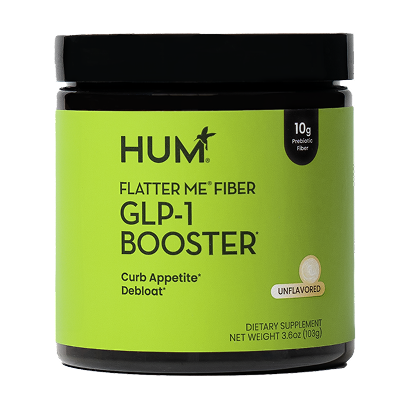
The same research team later found that eating carbohydrates last led to lower insulin levels and higher levels of GLP-1, the gut hormone behind today’s most talked-about weight-loss medications. GLP-1 helps regulate blood sugar and signals to your brain that you’re getting full. Harvard Health adds that protein may be especially good at taming ghrelin, the hormone that drives hunger, while boosting satiety hormones like GLP-1 and PYY.
What We Still Don’t Know
The research is promising but still early. Most studies are small and short-term, and much of the strongest evidence comes from people with type 2 diabetes or prediabetes. Still, Harvard Health notes the findings are fairly consistent: when carbs come last, blood sugar tends to rise more gently in the 30 to 90 minutes after a meal. As registered dietitian Nancy Oliveira puts it, “It’s definitely a hack, but it’s worth trying.”
Why Steady Blood Sugar Matters for Everyone
You don’t need a diagnosis to feel the effects of a blood sugar roller coaster. A sharp spike after a meal is often followed by a dip that leaves you tired, foggy and reaching for something sweet. A gentler rise can mean steadier energy, fewer cravings and better appetite control throughout the day.
The fiber in vegetables helps slow the absorption of the carbs that follow. Protein and fat take longer to digest, adding another buffer. And because fullness signals take about 20 minutes to reach your brain, saving carbs for last means that if you leave anything on your plate, it’s more likely to be the bread basket than the broccoli.
Where Berberine Fits In
Food sequencing changes how your body handles the carbs in a single meal. Berberine, a natural compound found in plants like tree turmeric and goldenseal, offers a complementary way to support healthy blood sugar around the clock. It has a long history in traditional medicine, and modern research is catching up.


What the Research Says
A 2024 meta-analysis of 50 randomized controlled trials, including more than 4,000 people with type 2 diabetes, found that berberine on its own lowered both fasting blood sugar and blood sugar two hours after eating. The most commonly studied dose was 0.9 to 1.5 grams a day, taken for one to three months. As with food sequencing, the strongest evidence so far comes from people with type 2 diabetes.
How It Works
Berberine is thought to work in part by activating AMPK, an enzyme often called the body’s “metabolic master switch”, which helps regulate how your cells take up and use glucose.
A Smart Pairing
Think of it as a two-part strategy. Food sequencing helps manage your blood sugar meal by meal, while berberine supports healthy glucose metabolism day in and day out. HUM’s Best of Berberine delivers 1,200 mg of berberine in two capsules, right in the range used in research, plus BioPerine® black pepper extract to enhance absorption. It’s vegan and Clean Label Project Certified.
How to Eat in Order: Your Step-by-Step Guide

You don’t need to overhaul your diet, just rethink the sequence.
- Start with vegetables. Begin with a salad, roasted vegetables, a broth-based veggie soup or a handful of crudités.
- Move on to protein and healthy fats. Next, eat your chicken, fish, tofu, eggs, beans or lentils, plus fats like olive oil, avocado or nuts.
- Finish with carbohydrates. Save the rice, pasta, potatoes, bread and dessert for the end. Choosing whole grains adds even more fiber.
- Get creative with mixed dishes. For stir-fries, curries or stews, have a side salad first, or eat the noodles or rice toward the end of the bowl.
- Slow down. Chew thoroughly and take your time. Anything that slows your pace gives fullness signals time to catch up.
- Aim for progress, not perfection. Not every meal will fit the pattern, and that’s OK. Eating vegetables first whenever you can is a great start.
What It Looks Like in Real Life
- Breakfast: Eat your eggs and sautéed spinach before the toast or fruit.
- Lunch: Start with the greens and grilled salmon in your grain bowl, then finish with the quinoa.
- Dinner: Have a side salad, then your roast chicken and vegetables, then the potatoes.
- Snack: Pair an apple with a handful of almonds or a spoonful of nut butter, and eat the nuts first.
FAQs
Do I need to wait between each part of the meal?
Not necessarily. Some studies spaced the courses about 10 to 15 minutes apart, but simply eating your vegetables and protein before your carbs is an easy, practical place to start.
Does food sequencing work if I don’t have diabetes?
Most of the research so far has focused on people with type 2 diabetes or prediabetes, but the principles of fiber and protein slowing carb absorption apply to everyone. Many people find it helps with steadier energy and fewer cravings.
Do I have to cut carbs?
No. Food sequencing is about the order, not elimination. Carbs, especially fiber-rich whole grains, still have a place on your plate.
Is food sequencing a replacement for medication?
No. If you’re managing diabetes or prediabetes, food sequencing can be a helpful addition to your plan, but talk to your healthcare provider before making changes.
Is berberine right for me?
Berberine is generally well tolerated, though some people notice mild digestive upset when they first start. It can interact with certain medications, including those for blood sugar, and isn’t recommended during pregnancy or breastfeeding. Check with your healthcare provider before adding it to your routine.
The Takeaway
Sometimes the simplest changes are the most powerful. By eating your vegetables first, protein and fats next and carbs last, you can enjoy the foods you love while giving your blood sugar, energy and appetite a gentler ride. Pair it with berberine for all-day glucose support, and you’ve got a smart, two-part strategy. Try it at your next meal. Your 3 p.m. self will thank you.
Support steady blood sugar from the inside out: Shop Best of Berberine.