A simple, science-backed way to build a satisfying plate that supports your gut tonight and your energy tomorrow.
Breakfast gets all the fiber glory, but dinner might be the most underrated opportunity of your day (seriously). Building your evening plate around fiber can help you feel full without feeling heavy, steady your blood sugar and even set you up for a better tomorrow. The best part? Our Fiber-First formula gets a fiber-forward dinner on the table in 20 minutes, no complicated recipes required.
Why a Fiber-Rich Dinner Matters
Fiber slows digestion, which helps you stay satisfied and avoid the late-night snack hunt. It also feeds the beneficial bacteria in your gut, which ferment it into compounds that support your gut lining.
The benefits may carry into the next day, too. Research on the “second-meal effect” suggests a fiber-rich evening meal can help moderate your blood sugar response at breakfast. And studies link higher fiber intake with deeper, more restorative sleep.
The Fiber First Formula
Think of it as a template, not a recipe. Fill your plate with these four building blocks.
1. Start With Plants
Make vegetables half your plate. Roasted, sautéed or raw, aim for two different kinds for more variety and more fiber.
2. Add a Fiber-Rich Base
Choose a whole grain or legume for about a quarter of your plate. Quick-cooking quinoa, pre-cooked lentils or canned beans keep things under 20 minutes.
3. Pair It With Protein
Fish, chicken, tofu or eggs round out the meal. Beans and lentils pull double duty as both protein and fiber.
4. Finish With a Topper
A sprinkle of seeds, nuts or avocado adds healthy fats, crunch and a final fiber boost.
Eat Your Fiber First
The order of your bites can matter. Research suggests eating vegetables before carbohydrates may help blunt blood sugar spikes after a meal.
What Dinner Foods Are High in Fiber?
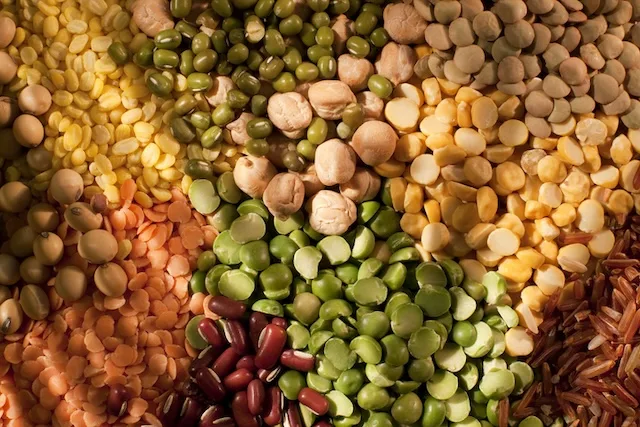
Stock these in your kitchen, and a fiber-forward dinner is always within reach.
Legumes
Lentils, black beans and chickpeas lead the pack, with roughly 12 to 15 grams of fiber per cooked cup.
Whole Grains
Barley, farro and quinoa deliver about 5 to 6 grams per cooked cup, plus a satisfying chew.
Vegetables
Artichokes, broccoli, Brussels sprouts and sweet potatoes (skin on) are standout sides.
Seeds and Nuts
Chia, flax, pumpkin seeds and almonds are easy toppers that add up fast.
FAQs
How much fiber should I aim for at dinner?
The daily recommendation is 25 to 38 grams, so about 8 to 12 grams at dinner is a great target.
Can a high-fiber dinner cause bloating?
It can if you increase fiber quickly. Build up gradually and drink plenty of water to give your gut time to adjust.
Is it OK to eat fiber close to bedtime?
For most people, yes. If you’re sensitive, try finishing dinner two to three hours before bed.
The Takeaway
A fiber-forward dinner doesn’t take hours or a long ingredient list. Start with plants, add a fiber-rich base, pair it with protein and finish with a topper. In 20 minutes, you’ll have a plate that nourishes your gut tonight and keeps you steady into tomorrow.


High-Fiber Apple Cinnamon Overnight Oats for a Cozy, Bloat-Free Morning

The Matcha Chia Pudding That Works With Your Body’s Own GLP-1

Muscle Is Your Metabolic Engine: What Strength Training Really Does for Your Metabolism