How Fiber Can Support PMS Symptoms

As women, we can handle a lot, especially when you consider that many of us only experience a few days (during menstruation) of a flat hormonal state. While hormonal fluctuations aren’t exactly a bad thing—they’re actually necessary for your cycle—they can lead to imbalances that wreak havoc on our bodies and minds, resulting in common PMS symptoms like bloating, cramping, mood swings, and more.
These menstrual woes are often addressed with over-the-counter medications that act as a temporary bandage to relieve the discomfort. But there are also ways to target and reduce symptoms through diet, particularly with the help of fiber and the crucial role it plays in balancing hormones, stabilizing blood sugar, and regulating insulin.
Does Diet Affect PMS Symptoms?
It’s not enough to just add more fiber to your plate or supplement regimen, though. While fiber can help reduce these common PMS symptoms, it doesn’t cancel out the effects of your overall diet—especially if it consists of fried foods, simple fats, coffee, and alcohol. Some research suggests that these can actually contribute to those pesky PMS symptoms in the first place, so minimizing your intake and focusing on adding more fruits and vegetables to your plate offers an added layer of protection against pain and bloating during that time of the month.
Putting a pause on ordering out can also help reduce PMS symptoms, since restaurants tend to use processed vegetable oils in their dishes. These oils can contain some types of omega-6s that are pro-inflammatory and might increase PMS symptoms like bloating, tender breasts, and cramps.
How Fiber Supports PMS
Since fiber can balance hormones, making sure you get at least the minimum recommended amount one to two weeks before your menstrual period might ease PMS symptoms. A lot of the PMS symptoms associated with that time of the month—think cramps and mood swings—are connected to the excess estrogen that spikes right before ovulation and then creeps back in for the luteal phase, around day 21 of your cycle.


Studies show that women who increase their fiber intake from 23 grams to 31 grams per day can experience significant changes to PMS symptoms, including pain and bloating. This is because fiber regulates hormones by flushing out excess estrogen in the digestive tract. It also protects against estrogen recycling and the overproduction of prostaglandins, which can cause these menstrual symptoms.
Is Fiber Good Before Your Period?

Fiber is good, regardless of the cycle phase you’re currently in, and eating the recommended amount can help create a strong foundation for hormone balance to reduce PMS symptoms. That being said, those who experience PMS before they menstruate can benefit from reducing sugar and increasing fiber intake, as these pre-menstrual habits can help reduce uncomfortable—and even painful—symptoms.
Cruciferous vegetables are one of the best sources of fiber to eat before your period, since they contain estrogen-binding fiber that can help break down and eliminate any excess to prevent the mental, physical, and emotional discomfort that can come toward the end of the luteal phase. These vegetables include broccoli, brussels sprouts, kale, bok choy, arugula, cabbage, and radishes. To maximize the benefits, combine this source of fiber with the soluble types (think oats and beans) to help further target any excess estrogen in the digestive tract and promote a better balance.
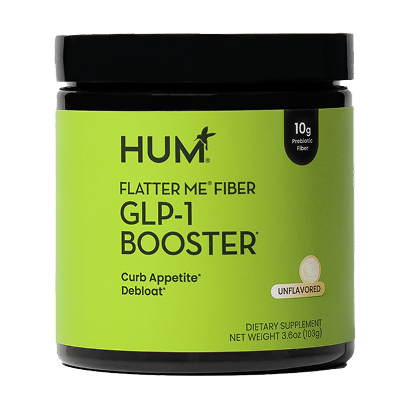
If your period cravings are getting in the way of a high-fiber meal, you can satisfy your sweet tooth with a delicious fruit smoothie and even add chia seeds for extra fiber. And, if you need more creative ways to add fiber to your diet, adding a tasty supplement like the HUM Nutrition Celery Juice Fiber Gummies or HUM Nutrition Flatter Me Fiber GLP-1 Booster supplement powder—which comes in delicious pineapple passionfruit or strawberry lemon flavors—is another option.
The Takeaway on How to Get More Fiber in Your Diet, and Help with PMS
In general, consuming a high-fiber diet can support health on so many levels, including balancing the hormones and reducing potential PMS symptoms. While fiber is great for flushing out the excess estrogen that causes bloating and pain, it can also help with other hormone-related symptoms, such as premenstrual constipation caused by the increased progesterone that also occurs during your luteal phase.


How to Eat for Your Menstrual Cycle: Nutritional Support for Each Phase

The Link Between Liver Health and Monthly Menstrual Pain, Bloat, and Discomfort

Hormonal Acne SOS: Why Chasteberry Is Your New Summer BFF