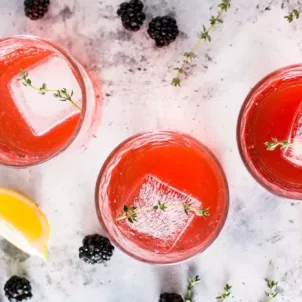
The latest healthy mocktail trend promises better hydration in a much prettier glass. Nutrition experts explain what mineral mocktails can and can’t do, plus easy recipes worth sipping.
If you’ve recently scrolled through Instagram or TikTok and stumbled upon someone adding sea salt and magnesium drops to a glass of coconut water and calling it a mocktail, you’ve encountered the latest hydration trend: the mineral mocktail.
There’s no official recipe, but most versions combine a few mineral-containing ingredients (think coconut water, citrus juice, tart cherry juice, sea salt, or trace-mineral drops) into a drink that’s made to feel a little more exciting than plain water. The idea is that all those add-ins help replenish electrolytes and make every sip more hydrating.
Mineral mocktails are an easy way to increase intake of minerals while supporting hydration, explains functional dietitian Jenna Volpe, RDN, LD, CLT. That said, she points out that they’re a wellness trend, not a scientific discovery. Electrolytes are minerals, which means these drinks aren’t much fundamentally different from the powders and sports drinks they’re often positioned as an alternative to. They’re basically just another way of getting some of the same nutrients (namely sodium and potassium) into your glass.
That can still absolutely be useful. If a mineral mocktail encourages you to drink more water, helps you replace an alcoholic beverage or gives you a little extra support after a sweaty workout, great. But more minerals don’t automatically equal better hydration, warns Jennifer Nicole Bianchini, MS, RDN, an integrative and functional registered dietitian, nervous system coach and founder of Body to Soul Health. “Adding too many products into one drink can give you more minerals than you need and may cause GI upset rather than improving hydration.”
So, are mineral mocktails actually better than electrolyte drinks, or are they essentially the same thing with better branding? Nutrition experts explain when these drinks make sense, when plain water is plenty, and how to mix one without turning it into a mineral free-for-all.
What Minerals Actually Matter for Hydration?
With all the talk of trace-mineral drops and fancy salts, it’s easy to assume that the longer the ingredient list, the more hydrating the drink. In reality, a few familiar electrolytes do most of the heavy lifting.
“Sodium and potassium are most important for hydration and supporting fluid balance,” says Bianchini. “They work together to maintain proper amounts of fluid and electrolytes inside and outside of the cells.” Chloride is another key player, while the National Institutes of Health (NIH) points out that magnesium and calcium support functions such as muscle, nerve, heart and bone health.
That doesn’t mean a mineral mocktail needs to include all five. Coconut water and citrus can provide potassium, while a small pinch of salt gives you both sodium and chloride. Magnesium can be a bonus, but adding it doesn’t automatically turn an everyday drink into a superior hydrator.
It’s also worth noting that the trace minerals in pink, gray or otherwise photogenic salt are just that: trace. From a hydration standpoint, sodium is still the main attraction. If you’re using a packaged electrolyte powder or mineral concentrate, Volpe recommends checking the nutrition label instead of assuming that more ingredients (or a more “natural” label) make it a better choice.
Are Mineral Mocktails Better Than Electrolyte Drinks?
Not across the board. “When comparing mineral mocktails to electrolyte drinks, it would be reductionist to say that one is universally better than the other,” Volpe says. What’s in the drink (and why you’re drinking it) matters far more than what it’s called.
A traditional electrolyte drink is generally designed to replace fluid and electrolytes lost through sweating, like during a workout. Since they contain specific amounts of electrolytes like sodium and potassium, they may be the better choice for a long workout, an endurance event or a seriously hot day.


A mineral mocktail, on the other hand, makes more sense as an everyday beverage. It may offer some electrolytes, but the amounts can vary depending on whether you’ve added a splash of coconut water, a full serving of electrolyte powder or three different supplements you saw someone use online.
“It depends on the purpose,” says Sylvia Klinger, DBA, MS, RD, LDN, CPT, founder of Hispanic & Multicultural Nutrition Communications. “If you are training for a marathon or another endurance activity and need to hydrate and replace lost electrolytes, an electrolyte drink may be what you need, but if you are looking for an everyday drink to stay hydrated throughout the day, a mineral mocktail may be all you need.”
In other words, the homemade drink isn’t inherently healthier, and the packet isn’t automatically more effective. Look at the actual ingredients, the amounts of sodium and added sugar and what your day has involved.
Do You Really Need Extra Electrolytes Every Day?
For most people on a typical day, probably not. If you’re eating a balanced diet, drinking enough water and not sweating heavily for a prolonged period, you’re probably already replacing the electrolytes you lose through everyday life.
“Most people do not need an electrolyte drink every time they drink water,” Bianchini says. Still, she notes that you don’t need to be training for a marathon to benefit from one. A hot day, a sweaty workout or any situation where you’ve lost more fluid than usual may be a reasonable time to reach for extra electrolytes.
The key is matching the drink to the demand. Sipping a mineral mocktail because it tastes good and helps you drink more is one thing. Treating every glass of water like it needs to be “upgraded” is another. Sometimes water really is enough.
4 Healthy Mineral Mocktail Recipes to Try
The best mineral mocktail is one you’ll actually enjoy—and one that doesn’t require emptying your entire supplement cabinet into a glass. These recipes keep the ingredient lists short and draw directly from the combinations the dietitians recommend.
1. Everyday Citrus-Coconut Spritz
This is the classic mineral-mocktail formula: potassium from coconut water and citrus, plus a small amount of sodium from salt.
What you’ll need:
- 1/2 cup unsweetened coconut water
- 1/2 cup sparkling water
- Juice of 1/2 lime or orange
- Small pinch of sea salt
- Ice
How to make it:
Fill a glass with ice.
Add the coconut water, sparkling water and citrus juice.
Stir in a small pinch of salt and garnish with a citrus slice, if you’re feeling fancy.
2. Tart Cherry-Lime Nightcap
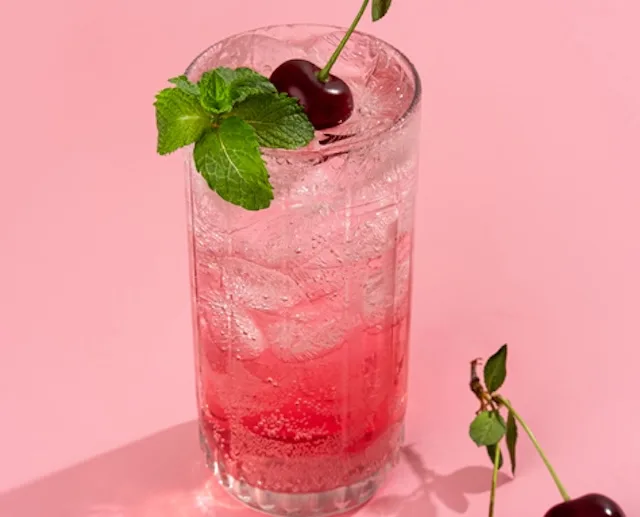
Bianchini likes tart cherry juice for an evening mocktail because it contains antioxidants and naturally occurring melatonin. This version feels special without piling on powders or extra sweeteners.
What you’ll need:
- 1 cup sparkling water
- 2 to 4 tablespoons unsweetened tart cherry juice
- Squeeze of fresh lime juice
- Ice
How to Make It:
Pour the sparkling water and tart cherry juice over ice.
Add a squeeze of lime and stir gently.
Taste and add another splash of tart cherry juice if you want more flavor.
3. Orange-Honey Hydration Refresher
Orange juice provides potassium and vitamin C, while a little honey rounds out the tartness. A small pinch of salt adds sodium without turning the drink into a salt lick.
What you’ll need:
- 3/4 cup cold water
- 1/4 cup 100-percent orange juice
- 1 teaspoon honey, optional
- Small pinch of sea salt
- Ice
How to make it:
Add the water, orange juice and honey to a glass and stir until the honey dissolves.
Add the salt and plenty of ice.
Stir once more and serve cold.
Can You Overdo a Mineral Mocktail?
Absolutely—especially when you start stacking concentrated products. An electrolyte packet, magnesium powder, trace-mineral drops, coconut water and extra salt don’t all need to appear in the same glass.
Certain forms of magnesium draw water into the colon and may cause loose stools, Volpe explains. Too much sodium or potassium can also be a concern for people with kidney disease, a history of kidney stones or certain heart conditions, as well as those who take medications that affect blood pressure or fluid balance.
“Supplementing with minerals or electrolyte packets in the absence of a deficiency can be unsafe clinically, as it may alter blood pressure, heart rate, fluid balance and kidney function,” Volpe says. If you have one of these conditions, take prescription medication or have been advised to limit sodium or potassium, check with your doctor or registered dietitian before making mineral mocktails part of your routine.