Creatine has earned its reputation as a go-to supplement for supporting strength and athletic performance, but its benefits may extend well beyond the gym. In recent years, researchers have begun exploring creatine’s potential role in brain health. Emerging evidence suggests it may help support memory and certain aspects of cognitive performance, particularly when the brain is under increased energetic stress. Your brain is one of the most energy-hungry organs in your body. Just like your muscles, it relies on a steady supply of energy to function at its best. That’s where creatine comes in.
While creatine isn’t a cure-all for brain fog or a replacement for healthy habits like sleep and stress management, it may be a valuable addition to a holistic wellness routine. Here’s what to know.
First, What Does Creatine Actually Do?
Creatine is a naturally occurring compound your body makes from amino acids. It’s also found in foods like red meat and fish, with about 95 percent of your body’s creatine stored in your muscles. The rest is found in tissues with high energy demands—including your brain.
One of creatine’s primary jobs is helping your cells regenerate adenosine triphosphate (ATP), the body’s main source of cellular energy. Think of ATP as the fuel your cells use to power everything from movement to memory.
Because your brain is constantly working, even when you’re resting, it requires a reliable supply of energy. Supporting healthy ATP production is one reason researchers believe creatine may benefit cognitive function.
Can Creatine Support Brain Health?
While the research is still growing, studies suggest creatine may help preserve certain aspects of cognitive performance under conditions of increased metabolic stress, with some of the most notable findings seen during sleep deprivation. Because creatine helps replenish the brain’s energy supply, researchers are exploring its potential role in everything from memory and mental fatigue to healthy brain aging. Here’s what the science says.

It May Help Combat Mental Fatigue
We’ve all experienced those afternoons when staying focused feels nearly impossible. While no supplement can replace a good night’s sleep, creatine may help support mental performance during periods of increased cognitive demand, such as sleep deprivation, prolonged concentration, or mentally demanding work.
It May Support Memory and Focus
Creatine supplementation can increase brain creatine availability, and clinical studies have reported improvements in memory and certain cognitive outcomes, although the relationship between brain creatine levels and cognitive benefits is still being studied.
It May Play a Role in Healthy Brain Aging
As we age, it’s natural for our brain’s energy production to become less efficient. Because creatine helps replenish the energy your brain cells rely on, researchers are also exploring creatine’s potential role in supporting brain health in conditions such as traumatic brain injury, depression, and anxiety. While early findings are promising, more research is needed before creatine can be recommended as a treatment for these conditions.


Who May Benefit Most From Taking Creatine?
Everyone’s nutritional needs are different, but some groups may gain more from creatine supplementation.
People who follow vegetarian or vegan diets often consume less creatine because it’s primarily found in animal products. As a result, they may have lower creatine stores to begin with. Creatine may also be worth considering if you’re navigating a season of increased mental demands, whether you’re juggling a busy career, caring for a family, studying for exams, or simply looking for additional support during stressful periods.
How to Maximize Creatine’s Cognitive Benefits
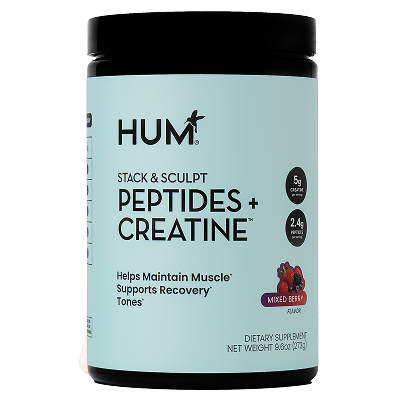
When it comes to creatine, consistency matters more than timing. Creatine monohydrate is typically taken consistently each day, with 3–5 grams being a common daily. Beyond supplementation, the biggest wins for your brain still come from your everyday habits. To help support cognitive health:
- Prioritize quality sleep whenever possible.
- Eat a balanced diet rich in colorful fruits and vegetables, healthy fats, and adequate protein.
- Stay hydrated throughout the day.
- Incorporate regular movement, including both strength training and cardiovascular exercise.
- Find ways to manage stress, whether that’s meditation, journaling, spending time outside, or connecting with loved ones.
- Keep your brain engaged by learning new skills, reading, or trying activities that challenge your mind.
Think of creatine as one piece of the puzzle rather than the solution itself.
Creatine may be best known for supporting muscle health, but emerging research suggests it could also play a meaningful role in supporting the brain’s energy needs. By helping your cells produce ATP more efficiently, creatine may help support memory, and mental resilience, particularly during periods of increased cognitive demand. Like any supplement, though, it’s most effective when paired with a strong wellness foundation. Nourishing your body with nutrient-dense foods, getting restorative sleep, staying active, and managing stress will always be the cornerstones of long-term cognitive health.