For years, creatine lived firmly in the fitness world. It was the supplement associated with weight rooms, serious lifters, and athletes looking for an extra edge in strength and performance.
But that image is changing.
Creatine is increasingly showing up in a much broader wellness conversation—one focused less on getting bigger or stronger as quickly as possible and more on maintaining muscle, supporting an active lifestyle, and aging well. Women are taking a closer look, wellness creators are bringing it into everyday routines, and researchers are exploring potential benefits that extend beyond exercise. The interesting part? Creatine itself hasn’t changed. Our understanding of how it fits into a healthy lifestyle has.
Creatine, But Make it Wellness
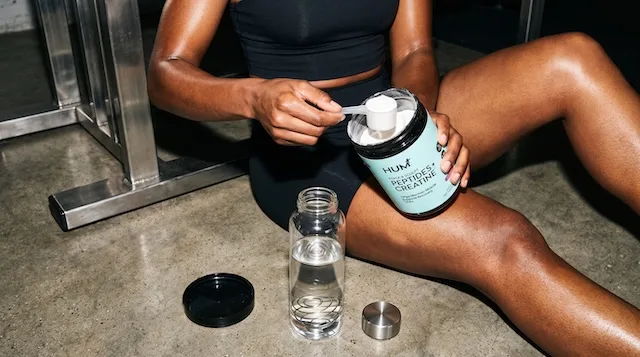
Your body already makes creatine, and you also get some from foods like meat and fish. Most of it is stored in your muscles, where it helps your body produce energy during short bursts of activity—think lifting weights, sprinting, or powering through your last set of squats. Supplementing with creatine can increase those stores, which is why it has long been a go-to for athletes looking to support strength and exercise performance.
But wellness has evolved beyond “How fast can I get results?” Today, it’s much more about building strength, preserving muscle, recovering well, and supporting your body for the long haul. And that’s where creatine gets interesting.
The Strength-Health Connection
Muscle isn’t just about aesthetics. It’s functional tissue that helps us move, exercise, maintain independence, and stay resilient as we get older.
As wellness has shifted toward longevity, strength training has become less of a niche fitness pursuit and more of a foundational health habit. Creatine fits naturally into that conversation because the strongest evidence supports strength and high-intensity exercise when combined with training. In other words: It’s not about getting “bulky.” It’s about giving your muscles a little more support while you put in the work. That distinction matters because the modern wellness conversation is increasingly moving away from shrinking the body at all costs and toward building a body that is strong, capable, and supported as it ages. Creatine fits neatly into that shift.
Why Women Are Finally Paying Attention
For years, creatine marketing largely spoke to male athletes. But the wellness conversation is finally catching up to the research, and women are increasingly part of it.
Researchers are exploring creatine’s potential benefits for women across different life stages, including its relationship with strength, exercise performance, and muscle health. Some research suggests benefits when creatine is paired with resistance training, although the evidence specifically in women is still developing.
That distinction is important. Creatine doesn’t replace protein, strength training, or a balanced diet. But it may be one useful tool in a bigger wellness toolkit. There’s also something appealing about creatine from a simplicity standpoint. It doesn’t ask you to overhaul your lifestyle or follow an elaborate protocol. For people already interested in strength training and long-term health, it can be viewed as a small addition to an established routine.
Creatine and the Brain
Here’s where things get especially intriguing.
Creatine doesn’t only exist in your muscles. Your brain also uses creatine as part of its energy system, which has researchers speculating about whether supplementation could have benefits for cognition, mental performance, or mood. The research is promising enough to be interesting, but not definitive enough to call creatine a brain-health supplement just yet.
That’s perhaps the most useful way to approach the broader creatine conversation, too: with curiosity, but without turning every emerging study into a wellness claim. There’s a difference between a supplement having an established use and researchers investigating what else it might be capable of.
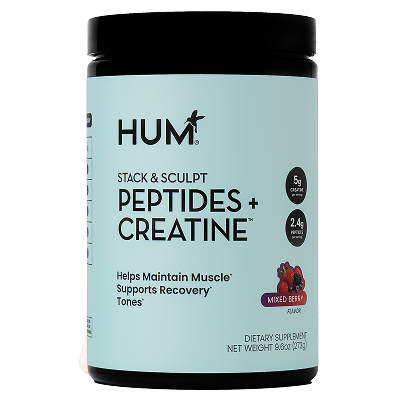

So, Why Is Creatine Here To Stay?
Because unlike many wellness trends, creatine doesn’t need a rebrand to be relevant.
It has decades of research behind it. It supports a basic biological process. And it aligns with some of the biggest shifts happening in wellness right now: strength over shrinking, longevity over quick fixes, and sustainable habits over 30-day transformations. The creatine conversation may have started in the weight room, but it has grown far beyond it.
And maybe that’s the real wellness moment: realizing that feeling strong isn’t just a fitness goal. It’s part of taking care of yourself for the long run. As with any supplement, everyone will have different needs. If you’re pregnant or breastfeeding, have a medical condition, or take medications, make sure to talk with your healthcare provider before adding creatine to your routine.
4 Creatine Myths It’s Time to Leave Behind
Despite creatine’s growing place in the wellness world, some old-school assumptions about the supplement are still hanging around. Let’s clear a few of them up.
Myth #1: Creatine is only for bodybuilders
This might be the biggest misconception of all.
Creatine has long been associated with bodybuilding and high-level athletics because that’s where much of the early supplement culture around it lived. But you don’t have to be training for a competition or even consider yourself particularly “sporty” to be interested in creatine.
Because creatine supports the body’s ability to produce energy during short bursts of activity, it can be relevant to anyone incorporating strength training, resistance exercise, or other high-intensity movement into their routine. As more people focus on maintaining muscle and strength throughout adulthood, creatine is increasingly viewed through a broader health and wellness lens. Think less “bodybuilding supplement” and more “one potential tool for supporting an active lifestyle.”
Myth #2: Creatine will make you bulky
Creatine can cause an increase in water stored within muscle cells, particularly when someone first starts supplementing. That can translate to a small increase on the scale, but it’s not the same thing as suddenly gaining body fat or becoming “bulky.” Building significant muscle still requires training, nutrition, time, and consistency. Creatine doesn’t override those factors.
For many people, it’s more useful to think of creatine as something that may support performance and strength during training. What you do with that support depends on your overall routine and goals.
Myth #3: Creatine is bad for your kidneys
This is one of those myths that sounds scary enough to be believable, but the research in healthy adults does not support the idea that recommended creatine supplementation damages healthy kidneys.
That said, “generally considered safe for healthy people” is not the same as “appropriate for absolutely everyone.” People with kidney disease or other medical conditions should talk with a healthcare professional before using creatine, particularly if they have concerns about kidney function or take medications that affect the kidneys. It’s also worth remembering that supplement quality matters. Choosing a reputable product and following the recommended serving can help keep your routine straightforward and predictable.
Myth #4: You have to take creatine perfectly for it to work
Creatine has somehow acquired a reputation for requiring a complicated routine: loading phases, exact timing, special combinations, and a perfectly calculated schedule.
The reality is much less dramatic. The most commonly studied form, creatine monohydrate, can be taken consistently as part of a regular routine. Some people use a loading phase to saturate muscle stores more quickly, but it isn’t necessary for everyone. What matters more is consistent use over time. For people who choose to use it, it can be just one small, consistent part of a much bigger picture—one that still includes strength training, nutritious food, adequate protein, quality sleep, and recovery.