Magnesium Isn’t a Trend, It’s a Foundational Mineral: Here’s Why

Magnesium is everywhere right now.
It’s on TikTok for muscle recovery.
In your group chat for stress.
On your nightstand for sleep.
But magnesium isn’t just a trend. It’s a foundational mineral that most people simply aren’t getting enough of.
So if you’ve found yourself wondering what magnesium does for the body, and why everyone suddenly seems to need it, the answer isn’t all hype. It’s actually rooted in physiology.
What Is Magnesium, Really?
Magnesium is an essential mineral involved in hundreds of processes your body relies on every day, acting as a cofactor in more than 300 enzymatic reactions.
You may be asking, “Ok, but why should I care?” Here’s what it means IRL:
Magnesium directly supports your cells and organ systems, aka it keeps your body not only running, but also functioning optimally, so you can feel energized, have a steady mood, sleep well, recover, and more!
More specifically, magnesium plays a role in:
- Muscle function and recovery – helps replenish your muscles’ energy stores, which can support strength output during exercise and help your muscles recover between workouts
- Energy production – supports the regeneration of ATP, the primary form of energy your cells use, which is especially important for muscle function, physical performance, and overall daily energy demands
- Metabolic health – plays a role in how your body uses and processes glucose for energy, which is an important part of blood sugar balance, insulin sensitivity, and metabolism
- Nervous system balance – supports normal neurotransmitter activity and helps regulate the body’s stress response, which can contribute to a steadier mood, physical relaxation, and overall resilience during periods of high demand
This is why magnesium doesn’t feel like a “nice to have.” It often feels foundational.
When you consistently meet your magnesium needs, your body tends to handle stress, movement, and daily demands with more ease.
The Modern Magnesium Gap
Here’s what we know: many adults in the United States do not meet the recommended dietary allowance for magnesium.
That doesn’t mean severe deficiency. Instead, it means a quiet gap.
And that gap matters when you consider how much modern life demands from your body.
Stress Changes the Equation
Magnesium plays a role in regulating the body’s stress response via the HPA axis. When life gets busy or stressful, the amount of magnesium your body needs can increase.
So when life gets busier, with more deadlines, harder workouts, and less sleep, your baseline needs may rise.
It’s not that your body suddenly “needs a supplement.” It’s that stress increases demand.
A Shift Away from Whole Foods
Magnesium is naturally found in leafy greens, legumes, nuts, seeds, and whole grains. However, processed and refined grains can significantly reduce their magnesium content. For example, white bread and white rice contain substantially less magnesium than their whole-grain counterparts.
So when whole foods are consistently replaced with more processed options, dietary magnesium intake can quietly drop.
My recommendation? It probably won’t shock you.
Build your plate around whole, minimally processed foods more often than not. Not because it’s trendy, but because your mineral intake depends on it.
The Food Supply Isn’t What It Used to Be
Even if you’re eating well, there’s another layer to consider.
Research comparing the nutrient composition of vegetables from 1950 to 1999 found modest declines in several minerals, including magnesium, potentially due to agricultural practices that prioritize crop yield. Sadly, experts believe this depletion of nutrient-rich soil has steadily been declining ever since.
This doesn’t mean you should toss your fruits and vegetables. It just means you’re going to have to be more intentional about getting enough vitamins and minerals through your diet and likely benefit from supplementing as well.
Lifestyle Factors Add Up
As you may have noticed, magnesium balance isn’t just about what you eat. It’s also about what your body uses and what it loses. I’m sorry to say it, but alcohol intake has been associated with increased urinary magnesium excretion. Additionally, as mentioned earlier, periods of stress can also increase magnesium utilization.
Now layer that onto:
- High caffeine intake (hello, my beloved cappuccinos and matchas)
- Intense training (pilates and strength training girl through and through)
- Long workdays (high achievers, welcome to the group chat!)
- Inconsistent sleep (something I’ve been working to improve a lot recently)
Individually, these may not seem significant. But together? They increase your body’s magnesium needs, which can be hard to keep up with through diet alone.
And that’s where the quiet gap becomes noticeable.
So… What Do You Actually Do About It?.
Start with the basics and focus on the foods you eat first.
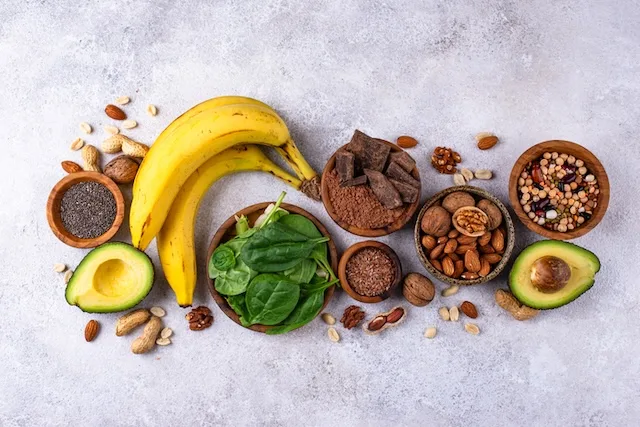
Magnesium-rich foods include:
- Dark Leafy Greens
- Pumpkin seeds
- Almonds
- Black beans
- Dark chocolate
These are small daily additions that can meaningfully support your intake over time.
But here’s the honest part: even when you eat well, it can still be hard to consistently hit optimal magnesium levels, especially if stress, training, caffeine, or long days are part of your normal routine.
That’s where supplementation can make sense.
Choosing the Right Form Matters

Not all magnesium supplements are the same. And this is where it can get SO confusing, because it’s hard to know when to use what.
Different forms can support different goals:
- Magnesium glycinate is often chosen for relaxation, sleep, and muscle recovery.
- Magnesium citrate and oxide can support regularity in the digestive system. But keep in mind that they’re not well absorbed by the body and won’t meaningfully boost levels in your body.
- Magnesium malate is commonly used to support energy metabolism.
- Magnesium L-Threonate is known to cross the blood-brain barrier for cognitive benefits.
Here’s my secret: I rotate through them depending on my needs!
For example, if stress is high, workouts are intense, or sleep has felt off lately, adding a high-quality magnesium glycinate supplement can be a practical way to help support your nervous system and muscle recovery.
HUM’s Dream Team Magnesium uses magnesium glycinate to help promote relaxation and support a calm, steady wind-down at the end of the day.
Fun fact: magnesium bisglycinate is easily absorbed and used by the body, plus it’s gentle on digestion, so it’s really a win-win.
The Real Takeaway
Magnesium isn’t having a moment. It’s filling a gap.
If you’ve been asking what does magnesium do for the body, the better question might be: are you consistently giving your body enough of it?
Because when foundational systems are supported like muscles, metabolism, and mood, everything else tends to feel more manageable.