Berberine has become one of the most talked-about supplements for metabolic wellness. This plant compound has been studied for its ability to support glucose and fat metabolism, and promote a healthier response to carbohydrate-rich meals. But if you’re wondering, “How much berberine should I take?” the answer matters more than you may think.
Like many supplements, dose and timing can make all the difference. Here’s what to know about how much berberine to take for meaningful results.
What Is the Best Dose of Berberine?
Most human studies on berberine use doses between 900 mg and 1,500 mg per day, with benefits most consistently seen at doses above 1,000 mg daily. For many people, 1,200 mg daily provides meaningful metabolic support, making it the sweet spot for optimal benefits.
Why 1,200 mg Works
Berberine works by supporting several pathways involved in metabolism, including:
- Helping the body use glucose more efficiently
- Supporting insulin sensitivity
- Influencing enzymes involved in energy production
- Promoting a healthier gut microbiome, which may play secondary roles in appetite and digestion
One of berberine’s most researched mechanisms is activating AMPK, sometimes called the body’s “metabolic master switch,” because it helps regulate how cells use energy.
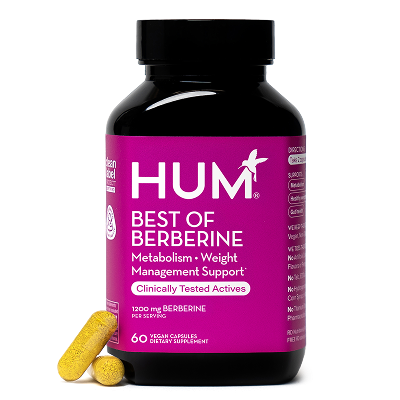

In simple terms: berberine helps your body better process the fuel you eat, especially carbohydrates.
That’s why dosing it correctly matters.
Take Berberine With a Meal (Ideally One That Contains Carbs)
Timing is one of the most overlooked parts of berberine supplementation.
Berberine is best taken with a meal, or shortly before eating, rather than on an empty stomach. Taking it alongside food can:
- Improve tolerability
- Reduce the chance of stomach upset
- Help berberine work when your body is actively digesting and absorbing nutrients
- Better support healthy post-meal blood sugar balance, especially after eating carbohydrates
The ideal meal? One that contains carbohydrates.
That doesn’t mean dessert. It can be something balanced like:
- Oatmeal with berries
- Eggs with toast
- A grain bowl with chicken and rice
- Greek yogurt with fruit and granola
- Salmon with sweet potato
Because carbs naturally raise blood sugar after eating, taking berberine with that meal may help support a healthier metabolic response.
Should You Split the Dose?
Traditionally, berberine is taken in divided doses, often 500 mg two to three times per day, because it has a relatively short half-life in the body. But newer dosing formats make 1,200 mg once daily (or split into two servings) a convenient option, especially for people who prefer simplicity and consistency.
The most important factor isn’t perfect timing, it’s taking it consistently. A supplement only works if it becomes part of your routine.
How Long Does Berberine Take to Work?
Some people notice changes in appetite or digestion fairly quickly. For broader metabolic benefits, consistency matters. Most studies evaluate berberine over 8 to 12 weeks of daily use, suggesting that while it starts working in the body right away, visible results build over time.
The Bottom Line
In conclusion, a daily dose of 1,200 mg is a strong, clinically aligned amount that fits within the effective range used in human studies.
For best results:
- Take it daily
- Take it with a meal
- Ideally pair it with a meal that contains carbohydrates
- Stay consistent over time
When it comes to berberine, how you take it matters just as much as taking it at all.