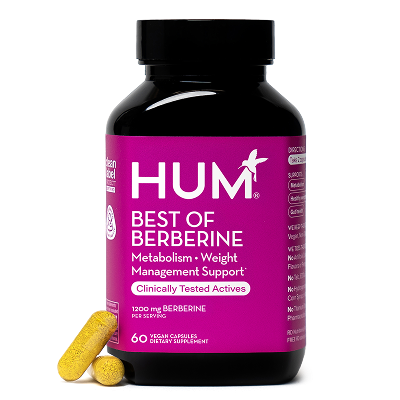
If you scroll through wellness content on TikTok, chances are you’ve stumbled upon a supplement called berberine. It first exploded when the GLP-1 craze was first gaining steam, and it was often dubbed as “nature’s Ozempic.” However, it’s also getting branded as a natural alternative to metformin, a prescription medication used to lower blood sugar levels in those with type-2 diabetes. It’s clear that berberine’s become the natural “it” supplement for blood sugar balance, weight management, and metabolic health. But is it actually a solid, natural dupe for metformin?
Keep reading to see how they’re comparable, where they differ, and if berberine has additional benefits for healthspan and longevity.
Berberine 101

First, let’s get a bit more familiar with the trending supplement. Berberine is a compound found in certain plant species and has been used in traditional medicine for centuries across Eastern cultures.
“It appears to help lower blood sugar by reducing glucose production in the liver and improving insulin sensitivity,” says Brittany Brown, RD, IBCLC, CDE, a media dietitian based in Nova Scotia. “One proposed mechanism is activation of an enzyme called AMP-activated protein kinase (AMPK), which plays a key role in regulating metabolism (aka how the body produces and uses energy).” She adds that recent research has explored its potential role in reducing inflammation in the gut lining.
Moreover, berberine has been shown in some studies to:
- Modestly reduce body weight, BMI, and waist circumference
- Lower LDL (aka “bad”) cholesterol and triglycerides
- Positively influence gut microbiota to sway disease risk
How are Berberine and Metformin Similar?
Similar to berberine, metformin works by activating AMPK, albeit via slightly different biological routes. “Metformin is commonly prescribed to manage insulin resistance in type 2 diabetes and polycystic ovarian syndrome (PCOS),” says Brown, and berberine is also being studied for its potential role in managing these conditions, as well.
In one animal study investigating the two, berberine was more effective in lowering high cholesterol and triglycerides, while metformin was found to be more effective for managing blood glucose levels. Moreover, the two had identical effects on fatty liver and atherosclerosis (a condition in which plaque builds in the artery walls, causing them to harden and narrow). These points considered, results from animal studies don’t necessarily translate to humans. Still, the researchers concluded that berberine may have therapeutic potential in managing metabolic diseases.
Also worth noting: Metformin is also being studied for its promising effects for anti-aging, though research to date is inconclusive. Similarly, some animal research suggests the anti-aging potential of berberine, though human trials are needed to provide further evidence.
Is it Valid to Call Berberine ‘Nature’s Metformin’?
While the two share some similar mechanisms, they’re not interchangeable. “While both seem to impact blood sugar regulation and insulin sensitivity they differ in strength, consistency, and level of evidence,” says Brown. Metformin has been widely studied and vetted as a safe first line of defense against type 2 diabetes, whereas berberine hasn’t been researched as thoroughly. “Metformin has more predictable and significant outcomes proven consistently with clinical evidence,” Brown continues.
Berberine isn’t the first line of defense against type 2 diabetes or any other disease, and it’s not a 1-for-1 swap for metformin. (Per one meta-analysis, metformin and similar drugs outperformed berberine for glycemic control.) That said, research to date demonstrates berberine’s potential in supporting well-being on several fronts—including but not limited to managing blood sugar and weight, as well as lowering inflammation.
Before taking berberine, Brown suggests doing your due diligence to buy from a reputable brand. “When my clients choose to use a supplement I strongly encourage opting for one that has been third-party tested to ensure quality and safety,” she says. If you’re interested in trying berberine for yourself, it’s also wise to consult your healthcare provider to see if it’s right for you, namely if you don’t require prescription alternatives.
The Bottom Line
Unlike a lot of wellness trends on TikTok, berberine actually shows promise to benefit your health in some impressive ways. With growing interest in the supplement, we’re bound to see more research on it—and we might even discover further possibilities that benefit additional aspects of health.
All said, berberine isn’t a miracle drug for metabolic health or longevity, but it’s also not just hype. For the right person, under the right guidance, it may be a meaningful tool. “At this point, the evidence isn’t strong enough to make definitive claims about longevity, but we do know that improving blood sugar regulation and reducing chronic inflammation are important for long-term health,” Brown shares. “If berberine supports these processes, it may play a role as one piece of a broader approach to health.”


Why GLP-1s Change Your Relationship With Food (In Ways You Don’t Expect)

HUM Health Report: 2026 Wellness Trend Predictions. The Future is Personalized!

Are Berberine and Fiber the Ultimate GLP-1 Powerhouse Pairing?