It’s 2026, and one thing’s for certain: AI isn’t going anywhere. More people are using LLMs like ChatGPT and Claude not just to draft emails and plan bespoke vacations, but also to serve as their own nutritionist or personal trainer. According to a recent survey by Life Time, the chain of upscale athletic country clubs, over a third of respondents reported using AI regularly to support nutrition, training, and health, while another third were curious about exploring these tools for the same purposes.
But as more people turn to AI for calorie tracking, workout planning, and supplement advice, the real question isn’t whether it can play health coach. It’s whether it should. In search of answers, we reached out to wellness experts—AI strategically not included—to weigh the pros and cons.
Benefits of an AI Health Coach
The biggest perks of using AI for wellness purposes are its accessibility and convenience. After all, all you need is an internet connection. Some people may lack the time and/or financial resources to work with a professional, adds Jordan Langhough, RD, CPT, which makes an AI health coach especially attractive.
Personalization is another winning feature of using AI for nutrition guidance and workouts. Amy Davis, RD, LDN, a registered dietitian based in New Orleans, Louisiana, says that AI can be a great starting place for nutrition information and eating plans. For example, she says it can:
- Offer calorie and macro counts
- Create a shopping list and meal prep schedule
- Work around your suggestions for dietary preferences and desired food products
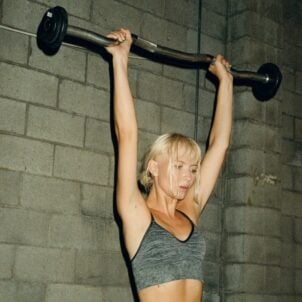
On the fitness front, Langhough says that AI is solid to:
- Generate workout ideas
- Provide general education on exercise techniques
- Help people progress their training plans
- Modify recommendations based on inputs like goals, time, availability, or equipment access
Where an AI Health Coach Falls Short

While AI can be helpful for basic guidance and personalization, it’s not without its pitfalls. One of the biggest issues is the gray area of how factual it is. According to Davis, we can’t fully trust that the information pulled is fully accurate or grounded in evidence. “It pulls information from some medical websites and clinical studies, but also takes information from personal blogs and websites that may contain nutrition misinformation,” she says. “Plus, there is always a risk for ‘AI hallucinations,’ which is when AI models confidently generate false or fabricated information, such as fake citations or false information due to technical errors.”
These potential gaps in accuracy—and risks for falsehoods—contrast widely from the expertise and quality you’d get from working with a registered dietitian. “Dietitians have the clinical experience and training that allows them to provide an individualized assessment that takes into account medical history, labs, medications, lifestyle, socioeconomic status, and emotional relationship with food,” Davis continues, which AI wouldn’t be able to match even with the most detailed prompt. This level of nuance is especially important for people with complex health conditions or a history of disordered eating, she adds, both of which necessitate ongoing guidance from a professional.
Of course, the human component is clearly lacking when you enlist an AI health coach—the importance of which can’t be understated. “Real life coaches provide accountability, motivation, emotional support, and behavioral coaching, which are often the missing pieces when someone struggles with consistency,” says Langhough. Plus, she notes that a chatbot won’t be able to assess workout quality, gaps in movement and strength, adjust workouts in real time, or tailor programming based on injuries, medical history, and lifestyle factors (at least not safely). Even when you’re working on yourself, human connection is still an important piece of the puzzle.
Davis agrees, adding that dietitians are there not just for their wisdom but for accountability and encouragement—all of which are crucial for sustainable lifestyle change.
The Takeaway
While a free AI health coach sounds appealing, it shouldn’t be your sole resource for health and wellness advice—especially if you have specific needs or truly want to change the trajectory of your diet or fitness regimen. “When people are managing health conditions, navigating conflicting nutrition advice, or trying to change long-standing habits, they still need the expertise, context, and human support a dietitian offers,” says Davis. In the context of fitness, Langhough says that the same idea applies for those aiming to optimize performance, bounce back from or prevent injury, or navigate other challenges.
That said, you don’t need to skip AI completely if it supports a healthy, well-informed lifestyle—and chances are that you’ll still lean on it if you enjoy the rapid, personalized food and fitness content it serves you. Just be sure to use sound judgment and pivot to experts when it comes to more important facets of your health and well-being. (Remember, AI absolutely shouldn’t replace your physician, either.) “AI can be a helpful starting point, but it should be viewed as a tool rather than a replacement for qualified advice,” Langhough advises.
While AI use is certain to grow from here, Davis isn’t concerned about chatbots taking away her job completely. “Nutrition is deeply personal, and while AI may help people access basic information more quickly, it can’t replace the empathy, critical thinking, and individualized care that a trained dietitian provides,” she says.